Add Row
Add Element
cropper
update
Nourish With Plants News Media
update
Add Element
  • Home
  • Categories
    • Plant-Powered Living
    • Sustainabe Living
    • Recipes and Meal Plans
    • Functional Medicine
    • Food as Medicine
August 23.2025
3 Minutes Read

5 Effective Ways to Ripen Tomatoes Faster in Your Garden

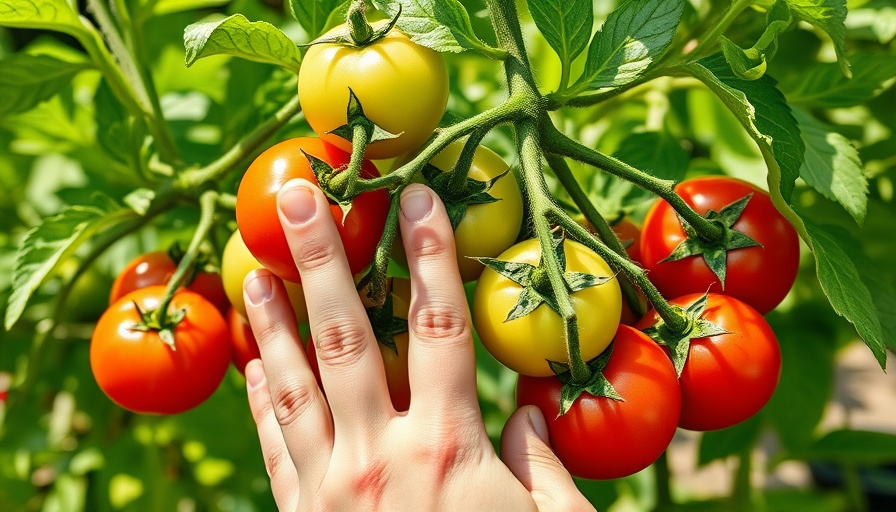
Ripening tomatoes faster with hand checking ripeness in garden

Proven Strategies for Faster Tomato Ripening

Growing tomatoes can be a rewarding experience, but for many temperate gardeners, the fall frost looms like a ticking clock. With a finite window of only three to four months, ensuring your larger tomato varieties reach their ripening stage becomes critical. So how can you expedite this process and make the most out of your crop? Here are some effective strategies that can help you transform stubborn green tomatoes into vibrant red delights.

In 'Ripen Tomatoes On The Vine Faster', the discussion dives into effective techniques for accelerating the ripening process, exploring key insights that sparked deeper analysis on our end.

Focus Energy on Existing Fruits

The first step in speeding up the ripening process is to redirect your plant's energy. As seasoned gardeners know, when new flowers appear, they siphon energy away from the existing fruits. To encourage those stubborn tomatoes to ripen, consider cutting off new blooms as they emerge. Additionally, if you're dealing with small, underdeveloped fruits—particularly with fall frost threatening—removing them just six weeks before the first frost can also prove beneficial. This allows the plant to recycle its energy to nurture the fruits that can mature in time.

Prune to Maximize Focus

Another technique is to prune any unnecessary new growth. By cutting leading stems and suckers that develop above your last usable fruit, you simplify the plant’s energy allocation, directing it solely toward ripening existing tomatoes. These strategic cuts can perhaps feel like a harsh decision, but it allows the plant to concentrate on maturing its fruits, ensuring you have a harvest ready before winter sets in.

Invoke Stress with Gentle Techniques

Interestingly, tomato plants can react positively to certain forms of stress. By gently twisting and shaking the base of your plants, you can stimulate a quicker ripening response. The idea here is to create just enough stress to signal that it’s time to focus on reproduction through ripe tomatoes. Another method involves reducing water intake; limiting moisture in the soil can prompt the plants to prioritize ripening the fruits that are already developing. It’s a delicate balance, but when done appropriately, this can significantly accelerate ripening.

Understanding the Impact of Time and Environment

With the knowledge that tomatoes thrive on conditions aligned with their natural cycles, understanding local climate conditions becomes even more important. As gardeners, we must be aware of our microclimates, assessing factors such as sunlight and temperature fluctuations. Creating an environment that nurtures our plants while allowing for optimal growth and ripening can make all the difference, especially as we approach the season's end.

Tips to Enhance Your Gardening Experience

Ultimately, every step you take in your garden this season contributes to the joy of harvesting. Harvesting tomatoes regularly not only enhances your yield but also keeps the plants producing steadily. So, make use of these tips, and you may find your garden thriving with ripe tomatoes sooner than you expect. Not only does this ensure you have a fruitful harvest, but it enhances your overall gardening experience, fulfilling that desire for homegrown produce.

As we embrace the essence of healthy living and sustainable practices, remember that knowledge and patience go hand in hand in gardening. Whether you're an experienced gardener or just beginning, these timely insights on ripening tomatoes faster can pave the way toward a successful harvest ahead. So, get out there, apply these strategies, and enjoy the fruits of your labor this season!

Sustainabe Living

10 Views

0 Comments

Write A Comment

*
*
Please complete the captcha to submit your comment.
Related Posts All Posts
04.19.2026

Explore Drip Tape Tips That Will Revolutionize Your Gardening Experience!

Update SEO Keyword: Drip Tape for Efficient Gardening Watering Explore Drip Tape Tips That Will Revolutionize Your Gardening Experience! The right watering technique can breathe life into your garden. As gardening enthusiasts, we often seek reliable methods to ensure our plants flourish. One such innovative approach gaining momentum is drip tape irrigation.In Drip Tape Tips -- The Most Reliable Tape We've Found!, the discussion highlights innovative watering strategies, exploring key insights that sparked deeper analysis on our end. Understanding Drip Tape and Its Benefits Drip tape, a type of irrigation system that delivers water directly to plant roots, is a game-changer for gardeners looking to maximize water efficiency. Unlike traditional watering methods, which can lead to uneven moisture distribution, this system allows controlled water flow tailored to each plant's needs. Not only does drip tape conserve water, but it also reduces the risk of disease by keeping foliage dry. Why Drip Tape is Essential for Vegetable Gardening Growing fresh vegetables isn't just a hobby; it's a passion for many. Utilizing drip tape can significantly enhance your vegetable yields. By providing consistent moisture, your plants are less stressed and can focus on growth rather than struggling for water. This translates to healthier vegetables and ultimately, more delicious home-cooked meals! Practical Drip Tape Tips to Elevate Your Gardening Practice Starting with drip tape? Here are some practical tips: Choose Quality Tape: Select a high-quality, consistent drip tape that meets your garden's specific needs. Correct Placement: Lay the tape close to the root zone of your plants for optimal water delivery. Monitor Pressure: Ensure your water pressure is appropriate; too high can damage the tape, while too low may result in inadequate watering. Explore the Versatility of Drip Tape in the Garden Drip tape isn’t only for vegetable gardens; it’s highly effective for flowers, shrubs, and even young trees! When planting various types of flora, adjusting the drip tape layout allows for a personalized watering solution that benefits diverse plant needs. How to Get Started with Drip Tape Irrigation If you’re eager to implement these tips, consider these steps: Assess your garden layout and determine where to place the drip tape. Gather the necessary supplies, including tape, connectors, and stakes. Install the system following the layout and monitor its performance regularly. With each adjustment, you'll become more adept at ensuring your plants receive the precise moisture they need to thrive. The journey towards a healthier garden filled with fresh vegetables begins with the right tools and techniques. Join the Gardening Revolution! As you explore drip tape's potential, remember that every small change can lead to substantial benefits in your gardening journey. By adopting these irrigation strategies, not only will your plants flourish, but you’ll also foster a deeper connection with the natural world around you. If you've found these tips helpful, consider sharing them with fellow gardening enthusiasts! Let’s transform our gardens together—embracing sustainable practices to ensure a healthy and bountiful harvest.

04.18.2026

Crush Your Cortisol: Three Simple Habits to Boost Family Wellness

Update Understanding Cortisol: The Stress Hormone We Need to TameCortisol plays a crucial role in our body, acting as a stress hormone that is vital for survival. This hormone is supposed to spike during stressful situations, triggering the body’s fight or flight response. However, in today’s fast-paced world, many of us are living with elevated cortisol levels all day, causing a range of problems, from weight gain to impaired cognitive function. Understanding this hormone is essential for families, as chronic stress can significantly affect everyone in the household.In 'Do This for 3 Hours to Crush Your Cortisol', the discussion dives into effective ways to manage stress hormones, and we’re breaking down its key ideas while adding our own perspective. Three Simple Practices to Lower Cortisol LevelsModern life bombards our systems with stress triggers—notifications, emails, and crowded schedules. It’s no wonder cortisol stays elevated, leading to a host of health problems. However, you can change this with three actionable habits that can lower cortisol levels in just three hours.Habit One: The Physiological Sigh—A Breathing MiracleThe first habit is the physiological sigh, a breathing technique that quickly calms the nervous system. This method, supported by neuroscience research, involves a two-step breathing process: inhaling deeply through the nose to fill your lungs and then taking a quick second inhale before long, slow exhalation. This technique reinflates critical areas of the lungs and reduces carbon dioxide levels in the blood, sending signals to your brain that it’s safe to relax. Practicing this method a few times when feeling stressful can lead to instant relief and a notable drop in cortisol levels.Habit Two: Embrace Morning Sunlight and MovementThe second habit emphasizes the importance of morning sunlight and physical movement. Within the first hour of waking up, exposing yourself to natural light and going for a walk can reset your circadian rhythm, ensuring cortisol peaks in the morning and falls at night. This practice makes a remarkable difference in overall energy levels and promotes better sleep for the entire family. For parents, starting the day open-air boosts mood and motivation, setting a positive tone for the day.Habit Three: The Digital Detox for Mental ClarityLast but not least, disconnecting from smartphones and screens for 90 minutes can work wonders. Notifications and the constant influx of information can keep our brains in a state of alertness, driving cortisol levels up. Instead, spend that time engaging in manual tasks like cooking, reading, or simply enjoying nature. This technique enables your nervous system to transition into a healing state, fostering creativity and focus—essential components for family activities or individual tasks alike.The Importance of Habit FormationAdopting these habits doesn’t require a complete lifestyle overhaul. Start by integrating them gradually into your routine, and the benefits multiply over time. When cortisol levels decrease, not only do health outcomes improve, but family dynamics can also transform, leading to deeper connections and shared goals. Families that cultivate these practices together can foster a culture of wellness and emotional resilience.Conclusion: Take Action Today!In conclusion, managing cortisol levels through simple and practical habits is an achievable goal that can lead to better health, motivation, and productivity. By focusing on the physiological sigh, morning sunlight, and digital detox, families can unlock the potential for a healthier lifestyle. Why wait? Implement one of these habits today and start feeling the difference by tonight. Let’s prioritize health together!

04.18.2026

Avoid the Worst Tomatoes for Raised Beds: Essential Planting Tips

Update Understanding Raised Beds: The Perfect Setup for Tomatoes For gardening enthusiasts, raised beds represent an innovative approach to cultivating vegetables, particularly tomatoes. However, as discussed in The WORST Tomatoes for Raised Beds (Avoid This Mistake), selecting the right type of tomato and creating the ideal conditions is paramount for success. With the right insights and a sustainable approach, growing fresh, healthy vegetables can be both rewarding and fulfilling.In The WORST Tomatoes for Raised Beds (Avoid This Mistake), the discussion dives into essential planting tips for tomatoes, exploring key insights that sparked deeper analysis on our end. Key Challenges of Growing Tomatoes in Raised Beds Growing tomatoes in raised beds can challenge because of their susceptibility to height conditions. Indeterminate tomatoes may grow incredibly tall—up to ten feet—which can be cumbersome in a raised bed format. As mentioned in the video, these taller plants require additional supports and can suffer from instability during windy conditions. This is why choosing determinate varieties is often the better choice for raised beds. Why Determinate Varieties Are the Way to Go Determinate tomato plants are generally bushy and compact, making them a perfect fit for raised beds where space and stability matter. They produce fruit in a concentrated setting, which means gardeners can harvest a sizeable crop at once without the hassle of sprawling vines. For example, varieties like Laredo (a Roma-type), Red Coral (a cherry type), and reliable slicers like Firebird and Red Snapper were recommended as ideal choices, reflecting the practicality that new gardeners need. Strategic Planting Techniques for Optimal Growth Effective planting strategies are crucial to ensure successful growth in raised beds. The video emphasizes the importance of appropriate tomato plant spacing—two feet apart for optimal air circulation and nutrient absorption. It also highlights the value of proper irrigation setup. A well-planned irrigation system, which might include two lines of drip tubing per row, ensures that water reaches the entire bed, combating the standard issue of moisture retention that raised beds can suffer from. Actionable Tips for a Thriving Tomato Bed To successfully plant tomatoes in raised beds, it’s essential to follow a few straightforward steps: Prepare the bed: Clear out any leftover plants, level the surface, and enrich the soil with compost and balanced fertilizer. Optimize irrigation: Ensure that your beds have enough irrigation lines, especially during the warmer months. Choose the right variety: Select determinate varieties that thrive in raised beds to avoid the frustrations of managing tall plants. Remember, gardening is about adapting your techniques for the best results and enjoying the process of growing your food. Join the Community of Gardeners As you dive into planting your tomatoes, feel free to connect with fellow gardening enthusiasts! Sharing experiences and tips can enhance your understanding and provide support when facing challenges. Overall, as The WORST Tomatoes for Raised Beds (Avoid This Mistake) illustrates, managing your raised bed setup thoughtfully and choosing the right tomato varieties can lead to flourishing plants and a bountiful harvest. Happy planting!

Terms of Service

Privacy Policy

Core Modal Title

Sorry, no results found

You Might Find These Articles Interesting

T
Please Check Your Email
We Will Be Following Up Shortly
*
*
*