
Add Row
Add Element
cropper
update
Nourish With Plants News Media
update
Add Element
  • Home
  • Categories
    • Plant-Powered Living
    • Sustainabe Living
    • Recipes and Meal Plans
    • Functional Medicine
    • Food as Medicine
October 31.2025
3 Minutes Read

A Complete Guide to Growing Cauliflower: Timing is Everything!

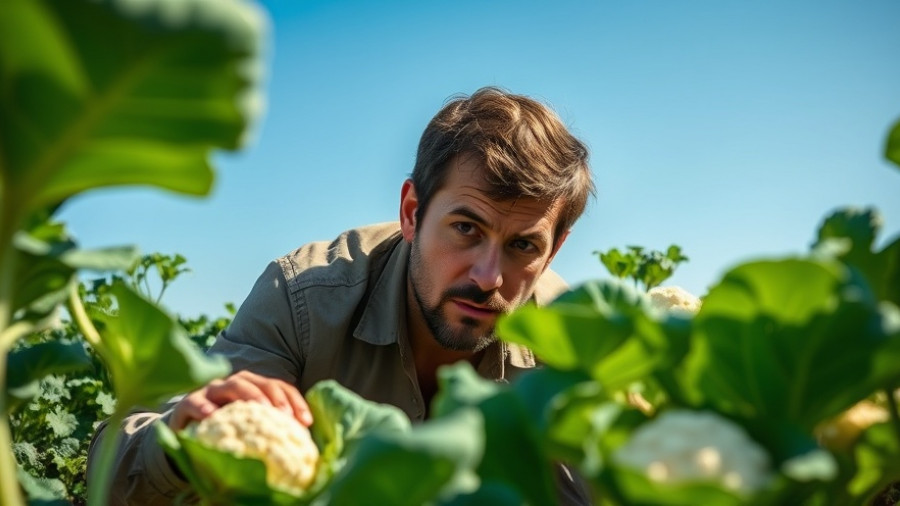
Curious gardener wondering how long it takes to grow cauliflower.

Understanding the Growth Timeline of Cauliflower

As winter draws near, the urgency to wrap up our gardening activities becomes increasingly apparent, especially for crops like cauliflower that thrive in cooler temperatures. For many gardeners, the question arises: how long does it take to grow cauliflower? The answer is not straightforward—it's a blend of various factors like the plant variety, climate, and planting methods that dictate the timeline for a fruitful harvest.

In How Long Does It Take To Grow Cauliflower? - Garden Quickie Episode 269, the discussion dives into the nuances of cauliflower growth and its significance as we approach winter. We’re breaking down its key ideas while adding practical gardening tips to make your experience even more rewarding!

Key Factors Influencing Growth

The life cycle of cauliflower can range from 50 to as many as 100 days, depending on three primary factors: the variety of the plant, how you choose to plant it, and the climate conditions present during its growth. When planting from seed, understanding the growth timeline can mitigate surprises in your gardening efforts.

Choose the Right Planting Method

Your choice of planting method is crucial. For instance, starting with a well-established plant will typically save you time compared to directly sowing seeds. If you decide on direct seeding, you should be prepared for a longer wait—germination for cauliflower seeds can take anywhere from 1 to 2 weeks. Seed packets will guide you on the expected days to harvest, which are generally based on the assumption that you're starting with seedlings.

Climate Considerations

Your local climate can play a significant role in cauliflower growth. Seeds planted in warm spring or summer months will mature quicker than those in chillier conditions. Remember that cool weather in early spring or frigid fall can slow down the growth process. Climate adaptability is vital for determining how your crops will fare as the growing seasons change.

Healthy Living Through Gardening

Growing your own cauliflower isn't just about the physical yield; it embodies a lifestyle choice aligned with healthy living and sustainable practices. Incorporating homegrown vegetables into your diet promotes better nutrition and well-being for families. That makes every minute of waiting for your harvest worthwhile!

Actionable Gardening Tips

  • Plan Ahead: Always check the seed packet for information on days to harvest. This includes factoring in an additional 20 to 30 days if starting from seed.
  • Monitor the Weather: Keep an eye on temperature trends to anticipate how they might affect your planting schedule.
  • Be Patient: Remember, good things take time! Enjoy the journey of nurturing your plants.

Inspiration for the Gardening Journey

Gardening is more than planting seeds; it encapsulates nurturing life and connecting with nature. Each season brings new challenges, yet the rewards of homegrown produce signify back-to-basics fulfillment in a fast-paced world. It’s a journey we should all embrace as we cultivate not just plants, but also life lessons.

In How Long Does It Take To Grow Cauliflower? - Garden Quickie Episode 269, the discussion dives into the nuances of cauliflower growth and its significance as we approach winter. We’re breaking down its key ideas while adding practical gardening tips to make your experience even more rewarding!

Sustainabe Living

10 Views

0 Comments

Write A Comment

*
*
Related Posts All Posts
02.19.2026

Discover Effective Planting Tips for Harvesting Huge Potato Yields

Update Unlocking the Secrets to Bountiful Potato Yields As a gardening enthusiast, producing a lush crop of potatoes can be one of the most rewarding experiences that your garden can offer. In today's exploration of effective planting tips, we'll dive into how you can enhance your potato yields significantly. From soil preparation to harvesting methods, let's unlock the secrets to enjoying fresh vegetables right from your own backyard!In 'Secrets for HUGE Potato Yields in Your Garden,' the discussion dives into essential techniques that can significantly enhance your potato crop, sparking deeper analysis on how gardening can play a vital role in sustainable living. Soil Quality Matters The foundation of any successful gardening venture begins with the soil. For potatoes, you'll want rich, loose soil that provides excellent drainage. Understanding how to test your soil pH is essential. Ideally, it should fall between 6.0 and 6.8 for optimal growth. Adding organic matter like compost not only improves your soil quality but also enhances its nutrient content, creating an ideal environment for potatoes to thrive. Choosing the Right Potato Varieties One size does not fit all when it comes to potatoes. There are numerous varieties that flourish under different conditions. Whether you prefer the starchy russets or the waxy reds, do a little research to find varieties that adapt well to your local climate. Early-season potatoes can be planted a bit earlier in the year, allowing you to enjoy fresh potatoes sooner! The Magic of Planting Technique When planting potatoes, don’t just throw them into the ground. Instead, practice proper spacing to ensure each potato has enough room to grow. Plant them about 12 inches apart in rows that are 3 feet apart. This spacing not only helps with air circulation but reduces disease risk. Cover the seeds with approximately 3-4 inches of soil, and don't forget to water them adequately to kickstart their growth! Watering Wisely Potatoes require consistent moisture to develop fully. Watering once a week is generally ideal, but it's critical to monitor the weather patterns. During dry spells, increase your watering frequency. Aim for deep watering, allowing the roots to search for moisture below the surface. However, be careful not to overwater as this can lead to rot. Harvesting for Success Once your potato plants flower, it's usually time to start monitoring them for harvest. For new potatoes, harvesting can occur about two weeks after blooming, while mature potatoes can be harvested after the foliage has yellowed and died back. Gently dig them up to avoid damaging the tubers. Remember, the fresher the potatoes are, the better they taste! The Joy of Sharing Your Harvest Now that you’ve cultivated an impressive crop, consider sharing your bounty. Whether you're trading with neighbors or incorporating them into meals to inspire friends, the joy of fresh produce is best enjoyed with others. Not only does gardening become a communal activity, but it also fosters a deeper connection with the food we consume. In the spirit of sustainable living, enhancing your potato yields goes beyond just gardening; it’s a lifestyle choice that contributes to a healthier diet and a greener planet. By investing time and care into your gardening practices, you have the power to harvest a wealth of fresh vegetables, directly impacting your well-being. As you gather your tools and seeds, keep these planting tips in mind for your upcoming gardening season. Happy planting!

02.18.2026

Mastering Potato Planting Depth: Essential Tips for Fresh Vegetables

Update Finding the Right Depth: Key to Successful Potato Growth If you've ever tried your hand at growing potatoes, you might have found yourself pondering the question: How deep should you plant potatoes? The answer isn't just a matter of guesswork—it's rooted in science and gardening best practices that can significantly affect your yield. Potatoes thrive in loose, well-drained soil, and their planting depth can greatly influence both their growth and health.In 'How Deep Should You Plant Potatoes?', the discussion dives into essential planting depth techniques for robust potato growth, highlighting strategies that we’re exploring further in this article. Understand the Basics of Potato Planting Potatoes are a versatile vegetable, making them a garden favorite for many enthusiasts looking to have fresh vegetables right from their backyard. When planting seed potatoes, it's generally recommended to place them about 4 to 6 inches deep. This depth ensures that the tubers have enough soil coverage to develop properly while still allowing them to access the surface for sunlight, which is essential for their growth. Why Depth Matters: The Science Behind It Planting potatoes too deep can hinder their growth by limiting their access to oxygen and sunlight, while planting them too shallow may expose them to pests and extreme temperatures. Moreover, the ideal depth also depends on the type of potato being planted; some varieties may require slightly different depths. Understanding these nuances is crucial for any gardener wanting to reap a healthy harvest. Practical Tips to Perfect Your Planting Technique To optimize your potato planting, here are some practical tips: Choose the Right Time: Plant your potatoes in early spring, as they thrive in cooler temperatures. Prepare Your Soil: Ensure your soil is loose and has good drainage—a garden fork or tiller works wonders. Use Seed Potatoes: Always select certified seed potatoes rather than using store-bought spuds to avoid disease. Harvesting and Enjoying Your Reward After you’ve planted your potatoes and provided the necessary care, the wait will soon turn to reward. With the right depth and diligent attention, you can look forward to a bountiful harvest of delicious, homegrown potatoes. The satisfaction of pulling fresh vegetables from your garden can be immensely gratifying, encouraging you to try out different plant varieties and techniques. As you embark on your gardening journey, remember that patience is key. Each planting season offers a chance to learn and grow alongside your plants. Enjoy the process, and soon, you’ll be savoring the fruits of your labor! If you want to dive deeper into successful gardening techniques, exploring resources about planting tips will provide valuable insights that enable you to have fresh vegetables year-round. With just a bit of knowledge and care, anyone can become a successful gardener!

02.17.2026

Don't Buy Tomato Seeds Until You Understand Key Planting Tips!

Update Why Knowing the Right Time to Buy Tomato Seeds Matters If you're a gardening enthusiast eager to plant a productive tomato garden, the season for buying your seeds can make a significant difference in your harvest. Getting your seeds too early can lead to wasted time and money if they're not viable or ready for your climate. Understanding the ideal timeline for purchasing seeds ensures that you'll have healthy and productive plants ready for your garden. Knowing when to buy can help optimize your planting strategy and, ultimately, your success rate.In 'DON'T BUY TOMATO SEEDS Until You See This!', the discussion dives into crucial tips for successful planting, exploring key insights that sparked deeper analysis on our end. Understanding Tomato Varieties: What You Need to Know Tomato seeds come in a plethora of varieties, making it essential for gardeners to choose the right ones. There's a big difference between determinate and indeterminate types, with the former growing to a fixed size and producing fruit all at once, while the latter continues to grow and yield throughout the season. With this knowledge, you'll be able to select seeds that will thrive in your specific gardening conditions, contributing to an abundant harvest of fresh vegetables. Optimal Conditions for Starting Your Tomato Plants Knowing when to plant your seeds often depends on specific environmental conditions. Tomatoes love warmth and thrive best in temperatures ranging from 70°F to 85°F. For many backyard gardeners, starting seeds indoors a few weeks before the last frost date is beneficial. This practice provides young plants the head start they need for robust growth when they finally make it outdoors, further ensuring the quality of your fresh vegetables. Tips for Successful Seed Germination When you finally get your seeds, ensure you are ready for sowing them correctly. Start by selecting quality seed-starting mix that maintains moisture while allowing proper drainage. Remember that consistent moisture is key to germination. If you follow these planting tips, you will boost your chances of strong seedlings that will flourish in your garden. Why You Should Avoid Premature Purchases Buying tomato seeds too early without proper planning can lead to missed opportunities for optimal planting times. Seeds that sit for too long may decrease in germination rates, which translates to challenges down the line when you need those tomatoes most. It’s best to wait until you're within the optimal planting window to make your purchases. Get Ready for a Bountiful Harvest The excitement of planting tomato seeds is hard to contain, especially when you think about the possibilities of harvesting your fresh vegetables later. By understanding the nuances of when, how, and which seeds to buy, you set yourself up for success. Not only do you enhance your gardening skills, but you also get to enjoy healthier meals enriched with the freshness of homegrown produce! Are you ready to cultivate a garden that will provide you with fresh vegetables? Start planning today and ensure you’re buying your seeds at the right time!

Terms of Service

Privacy Policy

Core Modal Title

Sorry, no results found

You Might Find These Articles Interesting

T
Please Check Your Email
We Will Be Following Up Shortly
*
*
*