Add Row
Add Element
cropper
update
Nourish With Plants News Media
update
Add Element
  • Home
  • Categories
    • Plant Based Nutrition
    • Sustainabe Living
    • Recipes and Meal Plans
    • Functional Medicine
    • Health Line News
August 26.2025
3 Minutes Read

Discover a NEW Way to Grow Onion Transplants for Optimal Freshness!

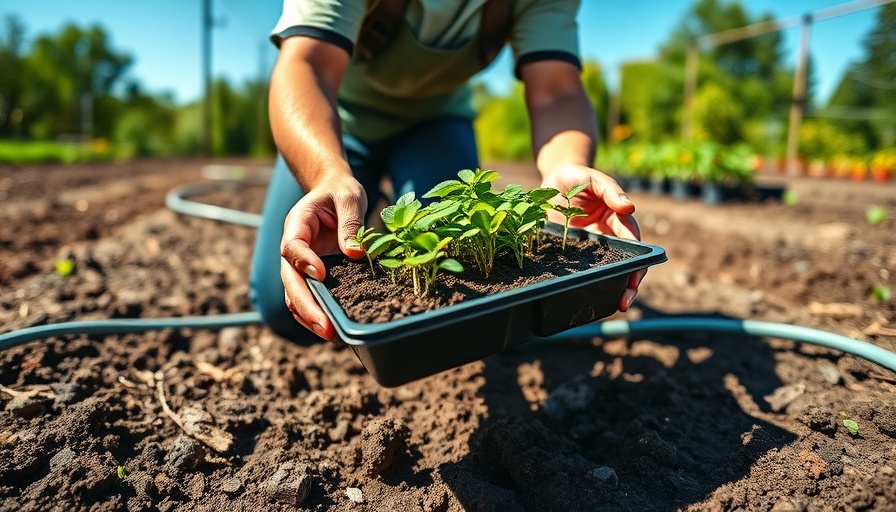
Gardener prepping soil for growing onion transplants in sunny garden.

Innovative Onion Growing: Rethinking Gardening Techniques

The recent video titled "A 'NEW' Way to Grow Onion Transplants (Will It Work?)" highlights an intriguing shift in the way gardeners cultivate onions, particularly in the short day regions like South Georgia. This experiment presents a fresh perspective on onion cultivation, pushing enthusiasts to explore efficient and sustainable farming methods.

In 'A NEW Way to Grow Onion Transplants (Will It Work?)', the discussion dives into experimental gardening techniques, exploring key insights that sparked deeper analysis on our end.

Why Grow Your Own Onions?

Growing your own onion plants comes with an array of benefits that seasoned gardeners will appreciate. Not only can you select from various onion types that thrive in your region, but the process can also significantly reduce transplant stress. By nurturing your seedlings from the outset, you'll have the flexibility to transplant them when the timing is right, allowing for optimal growth and yield. Each gardener knows the challenge of picking the right onion from a store only to be disappointed. Cultivating your own means you can say goodbye to that uncertainty.

Seed Starting Strategies: A Comparative Approach

The traditional method for growing onions often involves using seed starting trays; however, this year’s method proposes planting directly in raised beds, showcasing a breakthrough strategy that garners interest among many vegetable growers. This shift not only allows for easier management of the seedling phase but also aims to emulate commercial growing methods on a small scale, potentially yielding better results. Implementing both methods will enable a side-by-side evaluation of efficacy and adaptability, crucial criteria for any gardener aiming for success.

Timing is Everything: Planning for Growth

For gardeners in zones like 9A, timing is key. The video reminds us that starting onion seeds late in the summer means preparing for the oncoming fall planting season. This foresight is essential for ensuring a healthy crop to harvest in early spring. By opting to sprout seeds in advance, gardeners can anticipate the demand for homegrown vegetables and adapt their schedules accordingly, making it a vital aspect of planting tips.

The Gardening Community: Sharing Success Stories

Gardening is as much about community as it is about personal growth. Sharing results of this new methodology—and any potential challenges—is a fantastic way to engage with other gardening enthusiasts. Your peers can provide insights based on their experiences, transforming a solo venture into a shared learning opportunity. In doing so, you cultivate not just your garden but also a supportive community that thrives on collective knowledge.

Embracing Change: The Future of Gardening

As gardeners, we must continually innovate and adapt, understanding that some traditional methods may need refinement. The proposed experiment not only opens doors for potential growth in onion yield but may also inspire similar attempts in different vegetables. Embracing these shifts encourages a sustainable way of growing fresh produce, making gardening practices evolve to meet modern demands.

Gardeners looking to connect with resources to further enhance their practices can find valuable onion varieties on beneficial websites like Lazyogfarm.com. Exploring diverse methods and learning from success stories fosters a lifestyle that not only promotes well-being through fresh vegetables but also builds resilience against changing climates.

As you embark on your gardening journey, take a moment to reflect on your approach to growing vegetables. Whether through traditional methods or innovative strategies, each seed planted is a step toward cultivating a healthier lifestyle. Share your experiences, adapt your techniques, and watch your garden flourish.

Sustainabe Living

2 Views

0 Comments

Write A Comment

*
*
Related Posts All Posts
12.04.2025

How to Avoid Touching Your Face During Food Prep for Safer Meals

Update Why Avoiding Face Touching Matters in the Kitchen Have you ever noticed how frequently we touch our faces without even realizing it? It’s a natural habit, but when it comes to food preparation, this seemingly harmless act can lead to serious health issues. In fact, your face is a common entry point for germs and bacteria. When you touch your face, those microorganisms can easily transfer from your hands to your food, increasing the risk of contamination and foodborne illnesses.In How To Avoid Touching Your Face During Food Prep?, the discussion dives into hygiene practices, exploring key insights that sparked deeper analysis on our end. Simple Strategies to Reduce Face Touching So how can families maintain a hygienic cooking environment? Wash Your Hands: Before you begin food prep, ensure that you thoroughly wash your hands with soap and warm water for at least 20 seconds. Clean hands are your first line of defense against germs. Get Organized: Prepare all your ingredients ahead of time—chop vegetables and measure spices before cooking. This minimizes idle moments when you might be tempted to touch your face. Create Barriers: For added hygiene, pull back long hair and secure jewelry. Having a clean kitchen towel or paper towels at hand means you can quickly clean your hands if you need to wipe your nose or scratch an itch. A Pro Tip from the Pros Some professional chefs recommend designating one hand for food handling and using the other for utility tasks. Always wash hands after switching tasks. This practice can significantly reduce the chances of cross-contamination, ensuring your culinary creations are safe and delicious. The Big Picture of Food Safety Every time you resist the urge to touch your face while cooking, you’re not just safeguarding your health but also enhancing the experience for family and friends enjoying your meals. Small habit changes can lead to significant improvements in food safety. And remember, these practices are part of a broader commitment to sustainable living. Why not embrace these simple yet impactful changes in your kitchen to foster not just a healthier home but a healthier planet?

12.04.2025

Why Some Pots Aren't Ideal for All Gardeners: Essential Tips

Update Why Certain Pots May Not Fit Your Gardening Needs As gardening enthusiasts, we all strive for the best conditions to grow our plants. However, not every container is suited for everyone looking to cultivate their green space. In the insightful video “Why These Pots Aren't Great for Everyone! #figs,” the content highlights critical factors in selecting pots for your gardening journey. From improper drainage to material restrictions, this discussion offers a springboard into deeper analysis on how to genuinely foster growth in your garden.In 'Why These Pots Aren't Great for Everyone! #figs,' the discussion dives into the importance of selecting the right pots for planting, prompting us to analyze critical insights to enhance our gardening experiences. Understanding Drainage Needs for Plant Health One common issue gardeners face while planting is excess water accumulation, which can lead to root rot. It's essential to understand that not all pots are made with adequate drainage in mind. Terracotta pots are popular but can dry out quickly. In contrast, plastic pots may retain too much moisture. Depending on your plant's needs—whether you're aiming for fresh vegetables or colorful blooms—choosing the right pot ensures proper water retention and drainage. As someone who's experimented with various pots in my garden, I've learned that observing how quickly soil dries can help in choosing the right type of pot. Materials Matter: How Pot Composition Affects Growth Another aspect to consider is the material of the pots you choose. While ceramic pots may be aesthetically pleasing, they can be heavier and more expensive. On the other hand, lightweight plastic options can provide convenience but may not always protect roots from fluctuating temperatures. Each material has its advantages and disadvantages, highlighting the importance of selecting the right pot based on the climate of your gardening area. When you pair your favorite plant with the right pot material, that’s when fresh vegetables can thrive! Best Practices for Green Thumbs: Actionable Tips for Choosing Pots Choosing the right pot doesn't have to be a chore; with a few actionable tips, you can enhance your gardening experience. Here are a couple to consider: Check Pot Size: Plants need space to grow, so choose pots that allow for root expansion without being overly restrictive. Assess Plant Types: Tailor your pot choices depending on the type of plants you're growing. Herbs might fare well in smaller, shallow pots, while bigger vegetables need room to spread. Conclusion: Gardening Choices for a Thriving Garden Your gardening journey can flourish with the right tools and resources. While some pots might not appeal to every gardener, understanding their features allows you to create a welcoming home for your plants. Remember, a well-chosen pot can make the difference between struggles and success in your planting. Ready to elevate your gardening experience? Dive deeper into the world of sustainable living with practical tips that can help you ensure that your plants thrive!

12.03.2025

Cleaning vs. Sanitizing: Essential Practices for Family Kitchen Safety

Update Understanding the Core Difference: Cleaning vs. Sanitizing Have you ever stood in your kitchen, wiping down the countertops, and wondered if your efforts are truly enough? You might think cleaning and sanitizing are just different terms for the same action, but in reality, they serve different—but equally important—purposes when it comes to food safety. Cleaning removes visible dirt and debris from surfaces, while sanitizing goes one step further by reducing harmful microorganisms to safer levels. In other words, cleaning is like taking out the trash; sanitizing is like ensuring the trash can is disinfected.In ‘What Is The Difference Between Cleaning And Sanitizing?’, the video discusses important distinctions and practical steps for maintaining a safe kitchen environment, prompting a deeper exploration of these essential practices. Why It Matters for Food Safety The Centers for Disease Control and Prevention (CDC) stresses that sanitizing is vital for lowering the risk of foodborne illnesses. Especially in family households, the kitchen is a hub of activity, where cross-contamination can easily occur if surfaces aren’t properly managed. Think of cleaning as your primary defense, making surfaces ready for sanitizing, which is your ultimate protection against unseen threats. Steps to Ensure Safe Food Preparation To establish a hygiene protocol in your kitchen, follow a simple two-step process: First, thoroughly clean surfaces using warm water and dish soap to eliminate any food residues. Rinse with clean water. Second, apply a sanitizing solution—like mixing one teaspoon of liquid bleach with one gallon of cool water—and allow it to sit long enough to do its job before wiping or leaving it to air dry. This sequential approach guarantees both visible cleanliness and invisible safety. Building Healthy Habits in the Kitchen Incorporating cleaning and sanitizing into your regular kitchen habits not only protects your family from illness but also promotes a culture of health and responsibility. By prioritizing hygiene, you're nurturing a safe space for meal preparation, ultimately contributing to sustainable living. This simple method helps you ensure that everyone at your table can enjoy food with confidence. Ultimately, understanding and applying these two processes isn’t just about tidiness; it’s about safeguarding your loved ones. By being proactive in maintaining your kitchen, you build a healthier, more sustainable home.

Terms of Service

Privacy Policy

Core Modal Title

Sorry, no results found

You Might Find These Articles Interesting

T
Please Check Your Email
We Will Be Following Up Shortly
*
*
*