
Add Row
Add Element
cropper
update
Nourish With Plants News Media
update
Add Element
  • Home
  • Categories
    • Plant Based Nutrition
    • Sustainabe Living
    • Recipes and Meal Plans
    • Functional Medicine
    • Health Line News
November 01.2025
2 Minutes Read

Essential Pruning Tips for Fig Trees: Unlock Their Full Potential

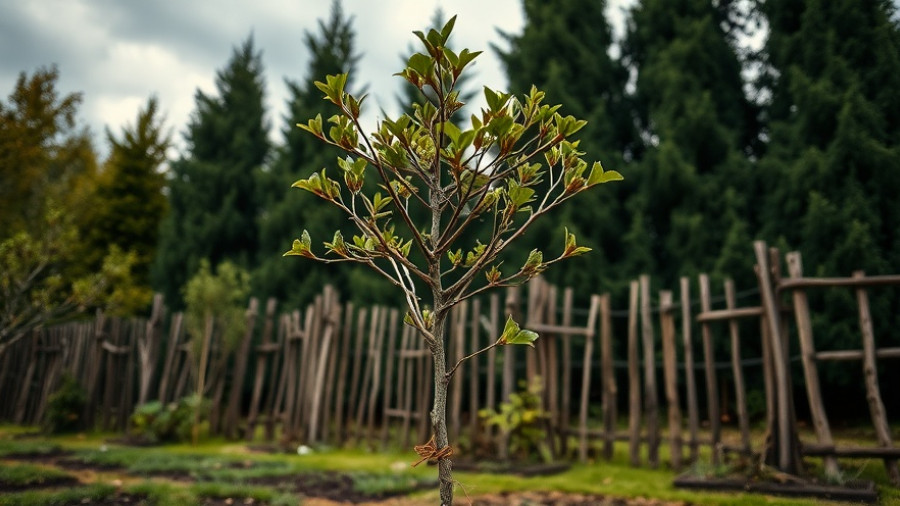
Pruning fig trees: young fig tree supported by a stake in a garden.

Understanding Fig Tree Pruning: A Key to Healthy Growth

For gardening enthusiasts, the way you treat your plants can significantly impact their growth, fruit production, and overall health. In today's gardening world, pruning your fig trees has become a topic worth discussing. Many might wonder, "How much do we prune our fig trees?" The answer isn't just about aesthetics; it's about nurturing your tree to ensure it produces delicious fruit for years to come!

In 'How Much Do We Prune Our Fig Trees?', the discussion dives into effective pruning techniques for fig trees, exploring key insights that sparked deeper analysis on our end.

Why Pruning Matters for Fig Trees

Pruning fig trees is essential for several reasons. First, proper pruning helps remove any dead or diseased branches, allowing the tree to utilize its energy more efficiently towards healthier parts. Additionally, when you prune, you're better able to shape the tree to enhance air circulation and sunlight penetration, which is critical for fruit development. It’s like giving your tree a fresh start!

Best Practices for Pruning Fig Trees

When it comes to pruning fig trees, timing and technique are paramount. Ideally, pruning should be done in late winter or early spring when the tree is still dormant. Start by assessing the tree structure. Aim to keep the center open while trimming back any branches that are crossing or growing inward. By doing this, you're not only encouraging new growth but also allowing room for fruit to flourish.

Common Misconceptions About Fig Tree Pruning

Some gardeners hesitate to prune their trees, fearing they will damage their plants. The truth is that fig trees can handle and even benefit from a good trim! However, the misconception that more pruning equals better growth can lead to overzealous clipping, resulting in short-lived trees. It’s best to adopt a measured approach—less can sometimes be more!

Enjoying the Fruits of Your Labor

After you’ve undertaken your pruning journey, prepare for the rewarding experience of savoring fresh figs. Fig trees, once pruned correctly, can yield a bountiful harvest, perfect for snacking, baking, or even gifting to family and friends. Implementing effective pruning techniques will not only enhance your fruit yield but also create a visually appealing tree that can thrive in your garden.

Take Action: Start Pruning Today!

If you’ve been wondering about planting or upgrading your gardening game, now is the perfect time to dive into fig tree care. Remember, pruning can breathe new life into your trees, allowing them to produce fantastically fresh vegetables and fruits. So gather your pruning shears and start your fig tree transformation!

Sustainabe Living

1 Views

0 Comments

Write A Comment

*
*
Related Posts All Posts
12.17.2025

Grow Fresh Vegetables This Winter: Essential Greenhouse Tips

Update Understanding the Importance of Winter Greenhouse Gardening As winter approaches, many gardening enthusiasts might feel disheartened by the thought of their beloved plants succumbing to frost and harsh conditions. However, the reality is that winter gardening can be incredibly rewarding, especially if you have a greenhouse. You might be surprised to learn that having a greenhouse can provide a controlled environment that enables you to grow fresh vegetables all year round. The secret number every gardener should know? It's 32 degrees Fahrenheit—the threshold where plants feel the chill of frost. Knowing this can transform your gardening approach during the winter months.In 'You Need to Know This Number!', the discussion dives into winter gardening, exploring key insights that sparked deeper analysis on our end. Benefits of Growing Fresh Vegetables During Winter Growing fresh vegetables in winter isn't just about pleasure; it has profound benefits for your overall health. As winter persists, fresh produce often becomes limited and less nutritious. By utilizing a greenhouse, you empower yourself to have continuous access to a variety of fresh vegetables right in your backyard! Imagine the joy of harvesting homegrown greens, tomatoes, and radishes in the middle of January. This not only enhances your meals but also ensures you are consuming the freshest, most nutrient-dense food possible. Simple Planting Tips for Winter Greenhouses Wondering how to make the most of your greenhouse this winter? Here are a few planting tips to ensure you get the best results: Choose Cold-Resistant Varieties: Opt for vegetables like kale, spinach, and carrots that thrive in cooler temperatures. These greens not only withstand the chill but often taste sweeter when grown in the cold. Utilize Companion Planting: Mixing plants like garlic or onion with your leafy greens can deter pests naturally and improve growth. Maximize Light Exposure: Position your greenhouse to capture the maximum sunlight possible. This not only helps in keeping temperatures up but also enhances plant growth. The Emotional Reward of Gardening For many gardening enthusiasts, the act of nurturing plants can also have emotional benefits. Winter gardening in a greenhouse can serve as a form of therapy, providing a sense of purpose and joy during the challenging winter months. The simple act of watering plants or watching them grow can be incredibly fulfilling, helping to combat winter blues. Plus, harvesting your own vegetables can bring immense happiness and satisfaction. Preparing Your Greenhouse for Winter To maximize your success in winter greenhouse gardening, a bit of preparation goes a long way. Make sure your greenhouse is insulated properly, use thermal blankets for additional warmth during particularly frosty nights, and ensure good ventilation to avoid excess humidity. These minor adjustments can greatly influence your plants’ survival rates during the cold months. If you're eager to elevate your winter gardening game, consider joining a local gardening group or exploring online forums where you can share experiences and learn from others. Don’t miss out on making this winter your most bountiful yet!

12.16.2025

Unlock the Best Seasonal Fruit Guides for Healthy Families

Update Discovering Seasonal Fruits: A Family Adventure When it comes to enriching our meals and nurturing our families, seasonal fruits are a fantastic option. But where do we start looking? In the video, 'Where Do I Look For Seasonal Fruit Guides?', the discussion reveals practical tips for sourcing fruits that are not only delicious but also sustainable. From local farmers' markets to reliable online resources, there are myriad ways to explore which fruits are in season.In 'Where Do I Look For Seasonal Fruit Guides?', the discussion dives into the value of seasonal fruits, exploring key insights that sparked deeper analysis on our end. Why Seasonal Matters Choosing seasonal fruits comes with numerous benefits. Not only are they fresh and full of flavor, but they’re also often more affordable and environmentally friendly. When farmers grow fruits at their natural peak times, they require less artificial intervention, making them healthier choices for our families. For parents and families looking to provide the best for their loved ones, seeking out these options is a positive step toward sustainable living. Engaging the Family: Fruit Picking Experience One engaging way for families to discover seasonal fruits is by visiting local orchards or farms. Not only does it create a bonding experience, but it also offers children a hands-on opportunity to learn about where their food comes from. Making a day of exploring orchards and picking fruits can bring more joy to meal preparation, as kids will enjoy tasting and helping to prepare their favorite finds. Online Resources for the Modern Family For families who prefer to gather information from home, several websites and apps are dedicated to seasonal eating. Platforms such as SeasonalFoodGuide.org can help identify which fruits are ripe based on your location and the time of year. Engaging with these tools can empower families to make informed choices and seek out the freshest ingredients available. Put Your Knowledge to Work By understanding where to find seasonal fruits, families can create delicious meals that are both nourishing and satisfying. Curious about enthusiastic choices? Start by seeking out local markets this weekend!

12.16.2025

Master Chickweed Control: Effective Tips for Winter Gardening Enthusiasts

Update Conquering Winter Weeds: A Gardener’s Guide As the frost begins to blanket the ground, winter weeds like chickweed can make themselves a nuisance in your garden. If you’re a gardening enthusiast seeking practical solutions, knowing how to conquer these persistent intruders is essential. In this piece, we’ll discuss effective methods to manage winter weeds that not only protect your plants but also nurture your garden's overall health.In 'Our Favorite Way to Conquer Chickweed & Other Winter Weeds,' the discussion dives into the effective methods to combat winter weeds, exploring key insights that sparked deeper analysis on our end. Why Understanding Winter Weeds Matters Understanding what you’re up against with winter weeds is the first step towards successful gardening. Weeds like chickweed can spread rapidly, taking vital nutrients from your soil and choking the growth of your precious plants. By getting to know these winter visitors, gardeners can devise a strategy that minimizes their impact and allows your vegetables to thrive. Effective Strategies for Managing Chickweed There are a variety of techniques available for managing winter weeds effectively: Hand Pulling: While it can be labor-intensive, hand pulling is the simplest way to deal with chickweed. Make sure to do this when the soil is moist to ensure you remove the entire root. Mulching: Applying a thick layer of mulch can suppress weed growth by blocking sunlight. It also enhances soil moisture retention, promoting better plant health. Natural Herbicides: There are organic herbicides that can effectively kill winter weeds without harming your garden’s ecosystem. Products containing vinegar or salt can be applied carefully to manage persistent weeds. The Importance of Timing and Prevention Timing is crucial in weed management. Early intervention can prevent chickweed from flowering and producing seeds. Monitoring your garden regularly during the winter can allow you to catch these weeds early, making your removal efforts significantly easier. Connecting Weeds to a Sustainable Garden Understanding and managing weeds is not only about keeping your garden tidy; it’s about fostering sustainability. Weeds can affect the diversity of your garden, and by managing them thoughtfully, you promote a healthier ecosystem. Incorporating native plants can also deter certain types of summer weeds from infiltrating your space next season. Your Next Steps in Weed Management Now that you’re armed with knowledge about conquering winter weeds like chickweed, it’s time to take action in your garden. Adopt these practices and watch how they transform your gardening experience. From hand-pulling to mulching, each step you take towards managing these weeds contributes to a healthier, more productive garden. If you want to enjoy fresh vegetables straight from your garden this coming season, start focusing on weed management now. Healthy plants mean a bountiful harvest, which is every gardener’s dream!

Terms of Service

Privacy Policy

Core Modal Title

Sorry, no results found

You Might Find These Articles Interesting

T
Please Check Your Email
We Will Be Following Up Shortly
*
*
*