

Understanding How Microbes Impact Cancer Risk
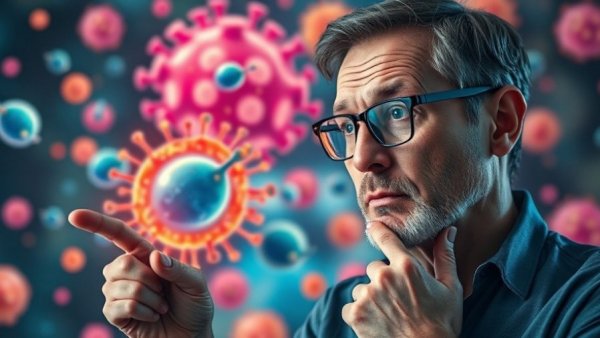
Many of us associate cancer risk with lifestyle choices like diet and exercise. Yet, intriguing research reveals an unseen culprit: our own microbiome. This article delves into how common microbes like Helicobacter pylori and human papillomavirus (HPV) can significantly influence cancer risk, emphasizing rapid interventions for mitigation.
In 'The Fastest Ways to Stop Cancer (Science-Backed),' we explore key insights surrounding quick and effective methods to reduce cancer risk, which inspired a deeper analysis of these strategies.
Strategies to Cut Cancer Risk—Fast
Unconventional strategies can drastically cut cancer risk without requiring long-term lifestyle changes. Research shows that eradicating H. pylori bacteria with a two-week antibiotic treatment can reduce stomach cancer risk by nearly 50%. This is especially vital for individuals with a history of stomach issues or cancer in the family.
HPV Vaccination—A Simple Solution for Many
Another proactive approach is the HPV vaccine. Its remarkable efficacy in decreasing the risk of cervical cancer by up to 88% highlights the potential of vaccines in cancer prevention across genders. Early vaccination not only protects against HPV but also reduces the need for lengthy health screenings later on.
Revisiting the Role of Supplements
However, as some supplements promise health benefits, they can also pose risks. Recent studies show that beta carotene and vitamin E supplements can increase cancer risk in certain individuals. This counterintuitive finding serves as a reminder to source nutrients from whole foods rather than pills.
The Lesser-Known Benefits of Berberine
On the opposite end, natural supplements like berberine offer promising potential in cancer prevention. This compound has shown to inhibit the regrowth of colorectal polyps significantly, reducing the chance of transitioning to cancer. Such findings underline the importance of assessing new treatments and their long-term effects.
The Importance of Regular Check-Ups
Regular healthcare check-ups are essential for early detection and prevention. It's critical for people at high risk to consult healthcare providers about testing for H. pylori or exploring vaccination for HPV. These approaches, coupled with forming healthy habits, enhance one's preventive arsenal against cancer.
Your Next Steps Toward Health
Implementing proactive measures in your health regime need not be daunting. Simple actions such as pursuing standard vaccinations, consulting with a physician about bacterial testing, and being informed about dietary supplements can create significant shifts in cancer risk. Consider discussing these strategies with your healthcare provider during your next visit to make educated decisions.




Write A Comment