Add Row
Add Element
cropper
update
Nourish With Plants News Media
update
Add Element
  • Home
  • Categories
    • Plant Based Nutrition
    • Sustainabe Living
    • Recipes and Meal Plans
    • Functional Medicine
    • Health Line News
August 23.2025
3 Minutes Read

From Garlic to Blueberries: Essential Gardening Tips for Fall Success

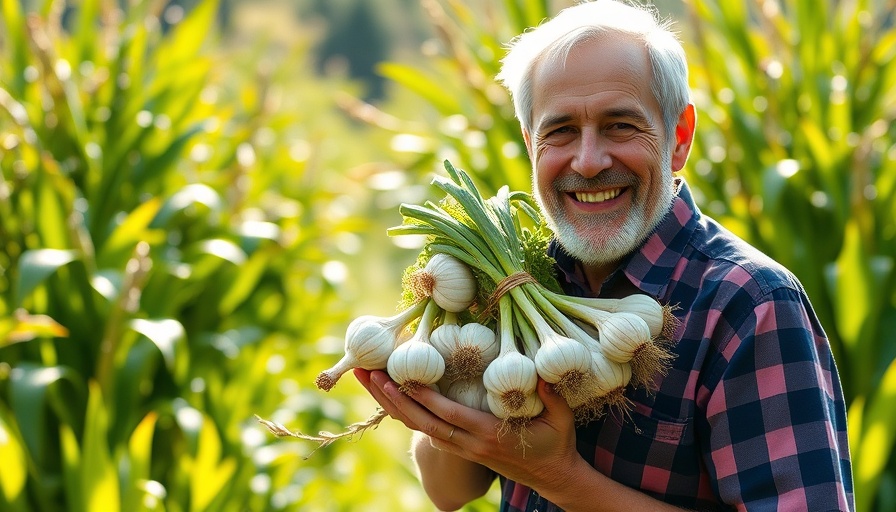
Man showcasing garlic harvest with gardening tips.

Gardening Transitions: Embracing the Shift from Summer to Fall

As the warm embrace of summer days begins to wane, avid gardeners embark on a reflective journey through their beloved green spaces. It's that poignant moment when you finally pull up the garlic, a crop that signifies both anticipation and the evolution of the garden itself. Gardeners often spend months nurturing their plants, and in this cycle of growth and harvest, each crop tells a story. With green tomatoes lingering on the vine and the last of the blueberries begging to be picked, it becomes clear: a transformation is underway.

In 'Garden Quickies Volume 26 - Episodes 251 to 260', the focus is on seasonal shifts in gardening, exploring key insights that sparked deeper analysis on our end.

Understanding Tomato Suckers: Friend or Foe?

One of the most fascinating sights in the garden is the tomato plant with its fruit-bearing limbs. Yet, these plants require a bit of an intervention—specifically, the management of tomato suckers. These elusive offshoots can be a source of confusion; while allowing them to grow can lead to bushy plants, careful pruning is essential for ensuring airflow and maximizing production. By keeping those bottom shoots in check, gardeners allow their tomatoes to thrive, and with just a pinch here and there, a successful harvest awaits.

The Art of Garlic Harvesting

The moment garlic is ready to harvest evokes a sense of accomplishment that few things can match. Yet patience is a gardener's greatest virtue, especially with crops like garlic that span several seasons. As the leaves begin to brown, the ideal harvesting window appears. Gardener beware: waiting too long can jeopardize not just the quality but also the ability to store your precious bulbs for months to come. Employing proper watering and weeding techniques will ensure those bulbs reach their maximum potential, ready to grace our kitchens with flavor and health.

Maximizing Onion Growth: Timing and Nutrition

As seasons shift, onions take center stage, demanding the right feeding strategy to ensure their success. Properly fertilizing these bulbs at various stages maximizes their size and flavor, especially with a balanced nutrient mix. Beginning with phosphorus to establish roots and transitioning to a nitrogen-focused feeding just before harvest is paramount for any gardener aiming for vibrant, full-grown onions. Following these simple steps not only helps in timing but also guarantees that the labor yields flavorful results.

Getting the Most from Blueberries

Blueberries represent both a challenge and reward in the garden. Understanding their unique needs ensures ongoing harvests from these perennial plants. Soil pH, moisture control, and supporting cross-pollination by planting multiple varieties boost production significantly. As these plants age and become established, they present the gardener with delicious berries year after year, making the effort feel truly worthwhile.

The Importance of Proper Watering

Integrating the right amount of water is fundamental to garden success, revealing the fine line between growth and decay. Recognizing that improper drainage can suffocate plant roots while excess moisture leads to disease underscores why gardeners must monitor their watering practices closely. Consistency trumps quantity—a lesson every hands-on gardener soon learns.

Final Thoughts: The Continuous Learning Curve of Gardening

As we sift through the rich tapestry of gardening, it becomes apparent that each season offers lessons that go beyond mere cultivation. The garden evolves just like we do, demanding our attention, adjustments, and care. Engaging with our gardens opens a window into sustainable living, providing fresh produce while connecting families and communities. Now, more than ever, it's time to roll up those sleeves and embrace practices that foster health, productivity, and enjoyment in our green spaces. Why not dive deeper into your gardening journey today and discover just how satisfying it can be?

Sustainabe Living

1 Views

0 Comments

Write A Comment

*
*
Related Posts All Posts
12.04.2025

How to Avoid Touching Your Face During Food Prep for Safer Meals

Update Why Avoiding Face Touching Matters in the Kitchen Have you ever noticed how frequently we touch our faces without even realizing it? It’s a natural habit, but when it comes to food preparation, this seemingly harmless act can lead to serious health issues. In fact, your face is a common entry point for germs and bacteria. When you touch your face, those microorganisms can easily transfer from your hands to your food, increasing the risk of contamination and foodborne illnesses.In How To Avoid Touching Your Face During Food Prep?, the discussion dives into hygiene practices, exploring key insights that sparked deeper analysis on our end. Simple Strategies to Reduce Face Touching So how can families maintain a hygienic cooking environment? Wash Your Hands: Before you begin food prep, ensure that you thoroughly wash your hands with soap and warm water for at least 20 seconds. Clean hands are your first line of defense against germs. Get Organized: Prepare all your ingredients ahead of time—chop vegetables and measure spices before cooking. This minimizes idle moments when you might be tempted to touch your face. Create Barriers: For added hygiene, pull back long hair and secure jewelry. Having a clean kitchen towel or paper towels at hand means you can quickly clean your hands if you need to wipe your nose or scratch an itch. A Pro Tip from the Pros Some professional chefs recommend designating one hand for food handling and using the other for utility tasks. Always wash hands after switching tasks. This practice can significantly reduce the chances of cross-contamination, ensuring your culinary creations are safe and delicious. The Big Picture of Food Safety Every time you resist the urge to touch your face while cooking, you’re not just safeguarding your health but also enhancing the experience for family and friends enjoying your meals. Small habit changes can lead to significant improvements in food safety. And remember, these practices are part of a broader commitment to sustainable living. Why not embrace these simple yet impactful changes in your kitchen to foster not just a healthier home but a healthier planet?

12.04.2025

Why Some Pots Aren't Ideal for All Gardeners: Essential Tips

Update Why Certain Pots May Not Fit Your Gardening Needs As gardening enthusiasts, we all strive for the best conditions to grow our plants. However, not every container is suited for everyone looking to cultivate their green space. In the insightful video “Why These Pots Aren't Great for Everyone! #figs,” the content highlights critical factors in selecting pots for your gardening journey. From improper drainage to material restrictions, this discussion offers a springboard into deeper analysis on how to genuinely foster growth in your garden.In 'Why These Pots Aren't Great for Everyone! #figs,' the discussion dives into the importance of selecting the right pots for planting, prompting us to analyze critical insights to enhance our gardening experiences. Understanding Drainage Needs for Plant Health One common issue gardeners face while planting is excess water accumulation, which can lead to root rot. It's essential to understand that not all pots are made with adequate drainage in mind. Terracotta pots are popular but can dry out quickly. In contrast, plastic pots may retain too much moisture. Depending on your plant's needs—whether you're aiming for fresh vegetables or colorful blooms—choosing the right pot ensures proper water retention and drainage. As someone who's experimented with various pots in my garden, I've learned that observing how quickly soil dries can help in choosing the right type of pot. Materials Matter: How Pot Composition Affects Growth Another aspect to consider is the material of the pots you choose. While ceramic pots may be aesthetically pleasing, they can be heavier and more expensive. On the other hand, lightweight plastic options can provide convenience but may not always protect roots from fluctuating temperatures. Each material has its advantages and disadvantages, highlighting the importance of selecting the right pot based on the climate of your gardening area. When you pair your favorite plant with the right pot material, that’s when fresh vegetables can thrive! Best Practices for Green Thumbs: Actionable Tips for Choosing Pots Choosing the right pot doesn't have to be a chore; with a few actionable tips, you can enhance your gardening experience. Here are a couple to consider: Check Pot Size: Plants need space to grow, so choose pots that allow for root expansion without being overly restrictive. Assess Plant Types: Tailor your pot choices depending on the type of plants you're growing. Herbs might fare well in smaller, shallow pots, while bigger vegetables need room to spread. Conclusion: Gardening Choices for a Thriving Garden Your gardening journey can flourish with the right tools and resources. While some pots might not appeal to every gardener, understanding their features allows you to create a welcoming home for your plants. Remember, a well-chosen pot can make the difference between struggles and success in your planting. Ready to elevate your gardening experience? Dive deeper into the world of sustainable living with practical tips that can help you ensure that your plants thrive!

12.03.2025

Cleaning vs. Sanitizing: Essential Practices for Family Kitchen Safety

Update Understanding the Core Difference: Cleaning vs. Sanitizing Have you ever stood in your kitchen, wiping down the countertops, and wondered if your efforts are truly enough? You might think cleaning and sanitizing are just different terms for the same action, but in reality, they serve different—but equally important—purposes when it comes to food safety. Cleaning removes visible dirt and debris from surfaces, while sanitizing goes one step further by reducing harmful microorganisms to safer levels. In other words, cleaning is like taking out the trash; sanitizing is like ensuring the trash can is disinfected.In ‘What Is The Difference Between Cleaning And Sanitizing?’, the video discusses important distinctions and practical steps for maintaining a safe kitchen environment, prompting a deeper exploration of these essential practices. Why It Matters for Food Safety The Centers for Disease Control and Prevention (CDC) stresses that sanitizing is vital for lowering the risk of foodborne illnesses. Especially in family households, the kitchen is a hub of activity, where cross-contamination can easily occur if surfaces aren’t properly managed. Think of cleaning as your primary defense, making surfaces ready for sanitizing, which is your ultimate protection against unseen threats. Steps to Ensure Safe Food Preparation To establish a hygiene protocol in your kitchen, follow a simple two-step process: First, thoroughly clean surfaces using warm water and dish soap to eliminate any food residues. Rinse with clean water. Second, apply a sanitizing solution—like mixing one teaspoon of liquid bleach with one gallon of cool water—and allow it to sit long enough to do its job before wiping or leaving it to air dry. This sequential approach guarantees both visible cleanliness and invisible safety. Building Healthy Habits in the Kitchen Incorporating cleaning and sanitizing into your regular kitchen habits not only protects your family from illness but also promotes a culture of health and responsibility. By prioritizing hygiene, you're nurturing a safe space for meal preparation, ultimately contributing to sustainable living. This simple method helps you ensure that everyone at your table can enjoy food with confidence. Ultimately, understanding and applying these two processes isn’t just about tidiness; it’s about safeguarding your loved ones. By being proactive in maintaining your kitchen, you build a healthier, more sustainable home.

Terms of Service

Privacy Policy

Core Modal Title

Sorry, no results found

You Might Find These Articles Interesting

T
Please Check Your Email
We Will Be Following Up Shortly
*
*
*