
Understanding the Art of Fertilizing Greens
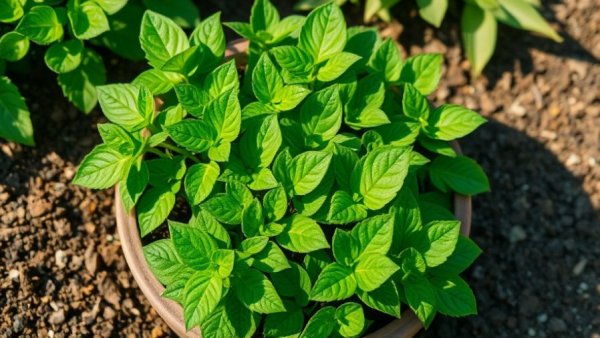
As the gardening season kicks off, a common concern among gardening enthusiasts is knowing when to fertilize their greens effectively. This crucial aspect can make or break the success of your garden, as the right nutrients are vital for healthy growth. Over-fertilizing can lead to nutrient imbalances, while under-fertilizing may stunt your plants. In this article, we dive deep into practical tips that will help you know just when and how to fertilize your greens, ensuring you enjoy a bountiful harvest.
In When to Fertilize Greens in Your Garden, the discussion dives into key insights about the timing and methods of fertilization, which serve as excellent guidelines for both novice and experienced gardeners.
The Role of Soil Nutrients
Soil serves as the foundation of any garden. Before you even think about adding fertilizers, it’s essential to test your soil. A soil test will show whether the pH levels are appropriate and whether any essential nutrients are lacking. Typically, greens require nitrogen for rapid growth, making it vital to monitor your soil’s nitrogen levels. Aim for a nitrogen-rich fertilizer during the early growth stages to boost your greens' overall health.
Timing is Everything
When to fertilize is just as important as how much to apply. A general rule of thumb is to fertilize during the early stages of growth and again a few weeks later, especially if your outdoor greens are planted in early spring. If you’re starting greens indoors, begin fertilizing as soon as seedlings develop their first true leaves. This ensures that your plants receive a consistent nutrient supply as they grow.
Identifying Signs of Nutrient Deficiency
Knowledge of common signs of nutrient deficiency can guide your fertilization efforts. Look for yellowing leaves, slow growth, or poor overall health, which all signal that your greens are not getting enough nutrients. Adjust your fertilization schedule in response to these indicators, catering to your plants’ needs for a healthy growing season.
Method Matters: Different Fertilization Techniques
There are various ways to fertilize your greens, and choosing the right method can enhance your gardening experience. Liquid fertilizers work quickly and are ideal for immediate nutrient delivery, while granular fertilizers provide a slow release, ensuring a consistent supply over time. Another option is organic compost, which enriches the soil naturally while promoting beneficial microbial activity.
Experiment and Adapt
Every garden is unique. What works for one gardener may not work for another. Keep experimenting with different fertilizers and methods to find what best suits your specific greens and growing conditions. Harvest fresh vegetables while being mindful of the impact your choices have on the environment is a central tenet of sustainable gardening.
In When to Fertilize Greens in Your Garden, the discussion dives into key insights about the timing and methods of fertilization, which serve as excellent guidelines for both novice and experienced gardeners. Understanding these factors will empower you to make informed decisions while nurturing your greens.
If you are looking to create a thriving garden full of fresh vegetables, remember that timing, soil health, and appropriate fertilization techniques play critical roles. Start your journey toward successful gardening today!



Write A Comment