
cropper
Nourish With Plants News Media
  • Home
  • Categories
    • Plant-Powered Living
    • Sustainabe Living
    • Recipes and Meal Plans
    • Functional Medicine
    • Food as Medicine
November 21.2026
3 Minutes Read

Harvest Fresh Vegetables Repeatedly: Your Guide to Sustainable Gardening

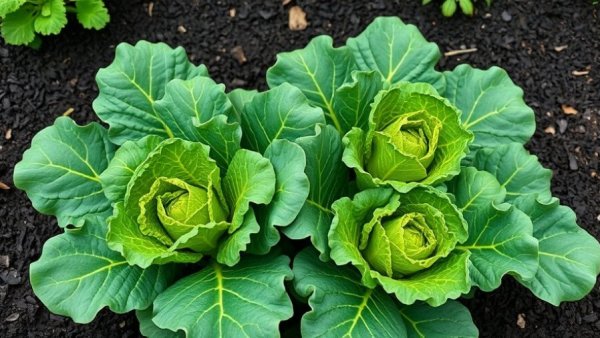
Kale plants in garden bed for repeat harvest, surrounded by mulch.

Endless Harvest: Choosing the Right Vegetables

Imagine stepping into your garden, plucking fresh vegetables straight off the vine time and again. This dream can become a reality by choosing the right types of vegetables—specifically, perennial and self-regenerating options. In this article, we’ll explore how certain vegetables can be harvested over and over again, making them ideal for a sustainable garden.

In These Veggies Can Be Harvested Over and Over Again!, the discussion dives into sustainable gardening practices and the joys of continuous vegetable cultivation, sparking deeper reflection on how we can incorporate these habits into our daily lives.

Why Recurrent Crops Matter for Sustainable Living

When you think of gardening, you often picture planting seeds, waiting for the thrill of sprouting greens, and then—ultimately—the harvest. However, recurrent crops can change the way we think about gardening, reduce our reliance on store-bought vegetables, and promote a self-sufficient lifestyle. These crops provide the joy of continuous harvest, allowing you to enjoy fresh vegetables throughout the season with minimal effort.

Top Vegetables to Plant for Repeat Harvests

Now, let’s dig into the garden! There are several vegetables known for their ability to be harvested multiple times:

  • Kale: This leafy green is not just a powerhouse of nutrition but also grows continuously. You can harvest its outer leaves while allowing the central portion to keep developing.
  • Swiss Chard: Another leafy green, Swiss chard can be snipped repeatedly, encouraging new growth with each cut.
  • Green Onions: A staple in many dishes, you can replant the roots of green onions, and they’ll regrow, offering a perpetual supply for your kitchen.
  • Radishes: Particularly the type that is cut-and-come-again, these can be harvested young, providing a continuous yield if tended to properly.
  • Herbs like Basil and Oregano: While generally categorized as herbs, they are essential to a green lifestyle as they thrive with regular pruning.

Practical Tips for Cultivating Your Recurrent Garden

Ready to start your garden? Here are some planting tips to ensure your recurrent veggies thrive:

  • Soil Preparation: Use nutrient-rich soil with good drainage. A compost mix can do wonders!
  • Proper Spacing: Give your plants enough room to breathe. Stressed plants will yield less.
  • Consistent Watering: Maintain a regular watering schedule, but be careful not to overdo it. Most vegetables prefer their soil to dry slightly between waterings.

Benefits Beyond Your Plate

Harvesting your own vegetables provides more than just fresh ingredients; it can also improve mental well-being. Gardening has been associated with reducing stress and promoting mindfulness. Engaging in this productive activity not only feeds your body but also nurtures your mind and spirit.

In These Veggies Can Be Harvested Over and Over Again!, the discussion dives into sustainable gardening practices and the joys of continuous vegetable cultivation, sparking deeper reflection on how we can incorporate these habits into our daily lives.

Whether you're a seasoned gardener or just getting your hands dirty, exploring the world of recurrent vegetables can pave the way for a healthier lifestyle. Jumpstart your gardening journey today to enjoy the fresh vegetables you always wanted!
Sustainabe Living

1 Views

0 Comments

Write A Comment

*
*
Please complete the captcha to submit your comment.
Related Posts All Posts
11.20.2026

Avoid These Mistakes When Starting Lettuce Seeds for Your Garden

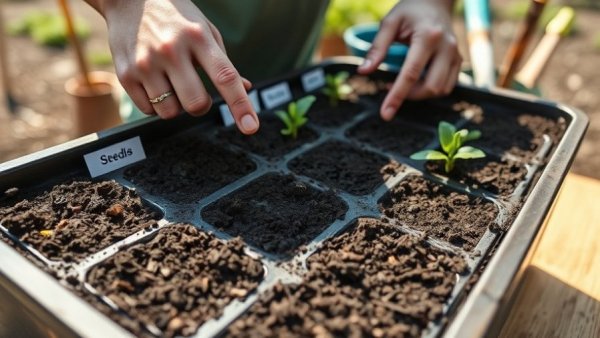
Update Why Starting Lettuce Seeds Right Matters For many gardening enthusiasts, starting lettuce seeds can be an exciting endeavor, especially as the chill of winter gives way to the hopeful warmth of spring. However, there are common mistakes that can undermine this journey before it even begins. The video titled Don't Do This When Starting Lettuce Seeds! highlights key issues that new gardeners often overlook. One primary mistake is the tendency to overwater seeds, which can lead to damping off, a fungal disease that can kill your seedlings before they even sprout. Not only is it frustrating, but it can also lead to wasted time and resources.In Don't Do This When Starting Lettuce Seeds!, the discussion dives into common gardening pitfalls, exploring key insights that sparked deeper analysis on our end. Simple Planting Tips for Success When it comes to planting, less is often more. To ensure your lettuce thrives, start with high-quality seeds and a well-draining seed-starting mix. Keep your planting area clean and free of debris, as pests and mold thrive in clutter. Remember, effective planting isn't only about the watering schedule; it's about creating an environment where your plants can flourish. It's crucial to maintain appropriate moisture levels and avoid allowing the soil to become soggy. Instead of frequent, heavy watering, opt for a gentle spray and regular checks to maintain optimum conditions for growth. Understanding the Importance of Temperature Temperature also plays a vital role in seed germination. Lettuce seeds generally prefer cooler soil—ideally between 60-70°F. Keeping your planting space within this range can drastically improve your chances of success. If temperatures exceed this range, your seeds might not germinate at all. Consider using a heat mat or moving trays indoors if outdoor temperatures are not suitable. Observation and adjustment are key; your plants will benefit from your attentive care. The Benefits of Home-Grown Lettuce Imagine grabbing fresh lettuce straight from your garden, knowing it was grown with love and care. There’s a unique satisfaction in cultivating your own vegetables, and lettuce is one of the fastest-growing crops you can cultivate. Home-grown produce is not just fresher, but also healthier, loaded with nutrients and free from pesticides. This simple act of growing your own food can bring both joy and numerous benefits to your health. Incorporating Gardening into Your Daily Life Gardening is more than a hobby; it is a lifestyle choice that encourages mindfulness, respect for nature, and the understanding of where our food comes from. For gardening enthusiasts, growing your own lettuce can serve as a stepping stone towards a larger goal of sustainable living. It teaches patience and responsibility, aligning with mental well-being and the joy of personal achievement. Remember, each seed is a promise of growth, a new beginning, and a mini-journey towards sustainability. Taking Action: Start Your Lettuce Journey Today! As you gear up for your planting adventure, take these insights to heart. Avoid common pitfalls and invest your time into learning a few simple tips that can transform your seed-starting experience. Whether you're a seasoned gardener or just getting started, understanding the nuances of planting can make all the difference. So grab your seeds, prep your soil, and let’s bring those fresh vegetables to the table together!

11.18.2026

Mastering Year-Round Gardening: Tips to Grow Fresh Vegetables

Update SEO Keyword: Sustaining Your Garden Year-Round For gardening enthusiasts, the challenge of keeping your garden alive through every season can often feel daunting. However, with the right techniques and knowledge, you can enjoy fresh vegetables and blooming flowers no matter the month. This article explores how to keep food growing in your garden year-round, weaving together practical tips and insights to support your sustainable living journey.In How to Keep Food Growing in Your Garden Year Round, the discussion dives into innovative gardening techniques, exploring key insights that inspired our deeper analysis. Historical Context and Background The concept of year-round gardening isn't new; ancient civilizations cleverly used seasonal variations to ensure food supply. Techniques such as crop rotation, companion planting, and using seasonal crops laid the groundwork for today’s gardening methods. By understanding these historical practices, modern gardeners can adopt time-tested strategies to cultivate bountiful gardens regardless of climate. Practical Insights and Tips for Year-Round Gardening One of the best planting tips for seasonal resilience is to understand your growing zones. Each zone has its own climate characteristics, affecting what can be planted at different times of the year. Many gardeners find success by utilizing soil temperatures and frost dates to determine the perfect planting schedule. Additionally, consider using cold frames or row covers to protect your plants from harsh weather while allowing sunlight in. These simple structures can be game changers when it comes to maintaining a productive garden. Future Predictions: The Rise of Urban Gardening As urban spaces become more populated, the future of gardening points towards innovative solutions. With rooftop gardens and vertical farming gaining traction, city dwellers can maximize limited space and produce their own food year-round. Urban gardening not only makes fresh vegetables accessible but also fosters a sense of community and connection among neighbors. The Unique Value of Knowing Year-Round Gardening Methods Understanding how to cultivate a year-round garden presents opportunities to save money on groceries and reduce carbon footprints. Home-grown vegetables not only taste better than store-bought options but also reduce reliance on transportation and packaging, aligning with sustainable living ideals. Moreover, engaging in gardening promotes mental well-being—a therapeutic activity that allows individuals to connect with nature and unwind from daily stresses. Making the Most of Your Seasonal Produce Lastly, as you adapt to gardening year-round, consider how you can store seasonal produce. Learning methods such as canning, freezing, and dehydrating allows you to enjoy your hard work long after the growing season ends. These techniques not only preserve the flavor of your fresh vegetables but also contribute to reducing food waste. In How to Keep Food Growing in Your Garden Year Round, we explored the flexibility and power of sustaining your garden through varied techniques. These insights can inspire not only successful gardening practices but also cultivate a deeper appreciation for the food we consume. So why not start today? Embrace the tools and resources available to you, and transform your gardening experience.

11.18.2026

Why the Carrot Planting Cutoff Date Matters for Gardeners

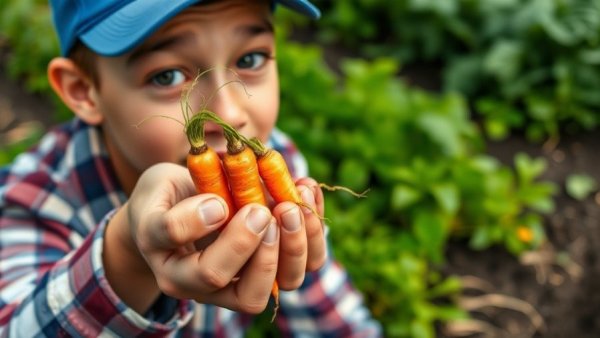
Update Understanding Carrot Planting: Timing is Everything Carrots are often celebrated for their resilience and adaptability, especially under cold conditions. They’re one of those magical crops where the chill actually enhances their sweetness, making them a favorite for many home gardeners and farmers alike. However, the timing of when to plant carrots is crucial. In the latest episode of Garden Quickie, hosted by Jeff from Ripe Tomato Farms, we learned that there's more to growing this crunchy vegetable than simply sticking seeds in the soil.In 'Carrot Planting Cutoff Date - Garden Quickie Episode 305', the discussion dives into the crucial timing of carrot planting, exploring key insights that sparked a deeper analysis on our end. Why Carrot Germination Requires Attention Although carrots can thrive in cooler temperatures, the germination phase is sensitive. For optimal growth, carrot seeds prefer a soil temperature above 65° Fahrenheit. If planted too late, they may struggle to sprout, leading to underdeveloped crops or disappointing foliage instead of the vibrant taproots we all crave. On average, carrots can take anywhere from 60 days to mature once they've germinated, which poses a challenge if you miss the ideal planting window. Maximizing Your Harvest: Key Timing Considerations For those in USDA zones 10 or lower, the last chance to plant carrots often falls in late summer. This emphasizes the importance of knowing your area's frost dates. The ideal planting period for carrots is 8 to 10 weeks before the first expected frost, ensuring that they have ample time to grow and establish before the cold sets in. A well-timed planting results in a wholesome harvest, while a misstep could mean a lack of carrots on your dinner plate this autumn. Overwintering Carrots: A Silver Lining Don’t lose hope if you’ve missed the planting window. Carrots can be successfully overwintered, which means that if you’ve managed to plant them in time to grow into adult plants before winter, you can continue to harvest them even through frost and snow. This resilience is one reason why carrots are beloved by gardeners, as they can provide fresh produce even in the harshest conditions. Concluding Thoughts: Gardening Tips for Healthy Living As gardeners and families gear up for the growing season, understanding the nuances of planting carrots can significantly improve your yields and ensure a tastier harvest. Whether you're a seasoned home gardener or just starting your journey in sustainable living, these gardening tips are essential for promoting healthy living. Embrace the challenge of timing, and remember, the key to a lush carrot crop lies in your careful planning and attentiveness to seasonal changes.

Nourish With Plants

NourishWithPlants.com is your go-to source for everything plant-based! Whether you're looking for science-backed nutrition advice, sustainable living tips, or more!

COMPANY

  • Privacy Policy
  • Terms of Use
  • Advertise
  • Contact Us
  • Menu 5
  • Menu 6

8056744797

AVAILABLE FROM 8AM - 5PM

City, State

8947 Clearcreek Franklin Rd, Springboro, OH

Qoolab Digital Strategies

Proven digital marketing experts

deliver remarkable growth

through tailored online marketing

strategies, attracting new customers

for your business.


© 2026 CompanyName All Rights Reserved. Address . Contact Us . Terms of Service . Privacy Policy

Terms of Service

Privacy Policy

Core Modal Title

Sorry, no results found

You Might Find These Articles Interesting

T
Please Check Your Email
We Will Be Following Up Shortly
*
*
*