Add Row
Add Element
cropper
update
Nourish With Plants News Media
update
Add Element
  • Home
  • Categories
    • Plant-Powered Living
    • Sustainabe Living
    • Recipes and Meal Plans
    • Functional Medicine
    • Food as Medicine
May 28.2025
2 Minutes Read

Rebuilding Gut Health: How to Combat IBS Through Nutrition

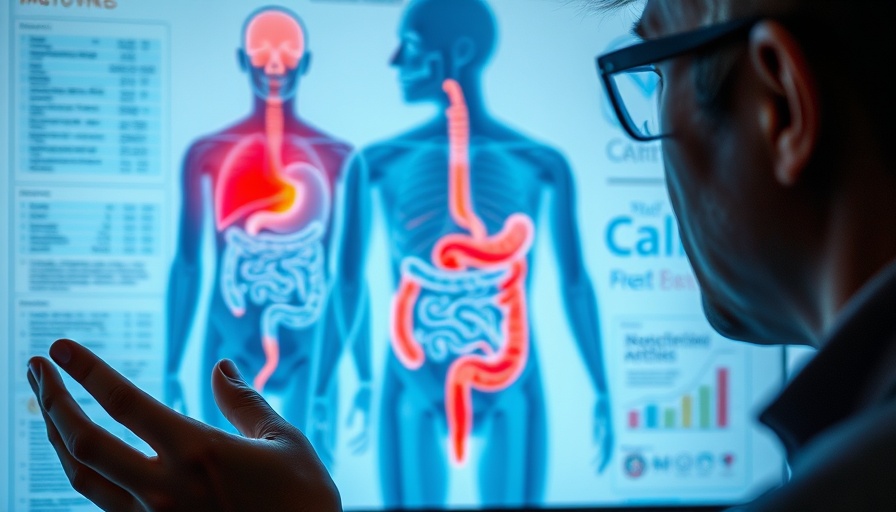
Illustration of IBS with intestines diagram and concerned person focused on nutrition.

Understanding IBS: A Common Yet Overlooked Health Challenge

Irritable Bowel Syndrome (IBS) affects about one in three patients who visit their gastroenterologist. With no definitive blood tests to diagnose this condition, healthcare providers rely on a pattern of symptoms to identify IBS, primarily characterized by abdominal pain that typically eases after bowel movements. Despite its prevalence, the understanding of IBS remains deeply flawed, often leading to misdiagnoses and inadequate treatments.

In 'The Gut Doctor: The root cause of IBS – and how to treat it,' Dr. Will Bulsiewicz presents the complexities of IBS, highlighting the importance of gut health and nutrition, inspiring a closer examination of these crucial insights.

The Importance of the Gut Microbiome

The underlying cause of many gut issues, including IBS, can often be traced back to the health of the gut microbiome. This complex community of microbes significantly impacts both digestive and overall health. A healthy gut harbors protective microbes that regulate inflammation, while an imbalanced microbiome can lead to increased sensitivity and digestive discomfort.

Positive Dietary Changes: The Path to Relief

Dr. Will Bulsiewicz, a leading gastroenterologist, emphasizes that a diet rich in diverse plant-based foods is essential to nurturing the gut microbiome. In his discussions, he suggests aiming for 30 different plant varieties per week. This may seem daunting, but starting small can yield significant benefits. Rich in fiber, these foods not only help improve gut health but also enhance mood and energy levels.

The Gut-Brain Connection: More Than Just Digestion

One of the most revolutionary insights from current research is the gut-brain axis—the idea that our gut health can directly influence our mental health. A staggering 50% of those with IBS also experience symptoms of depression or anxiety. Thus, improving gut health can lead to better mental well-being. When we nourish our bodies through healthy eating, we simultaneously support our emotional health, creating a holistic approach to lifestyle improvements.

Real-life Transformations: Changing Your Relationship with Food

Reflecting on personal journeys reveals just how powerful dietary changes can be. Individuals like Jonathan share remarkable transformations in their gut health after integrating more pariety into their diets. Once burdened by discomfort and dietary restrictions, many now enjoy a wide array of foods without the fear of IBS symptoms. This resilience shows that progress is achievable with commitment and the right knowledge.

Take Action Today: Simple Steps Toward Gut Health

Discovering actionable steps for improving gut health can be straightforward. Start by listening to your body and making slight daily adjustments in your diet. Incorporate a variety of foods and embrace the diversity that comes with plant-based options. Commit to nourishing your body today to support not only your digestive system but your mental health as well. Empower yourself with knowledge and the tools necessary for a healthier tomorrow.

Functional Medicine

14 Views

0 Comments

Write A Comment

*
*
Related Posts All Posts
03.04.2026

Lead Contamination in Your Chocolate: What You Must Know

Update The Hidden Risks: Lead Contamination in Chocolate Chocolate is often regarded as a delightful treat that brings joy to many. However, a recent short video has highlighted a concerning reality that could put your health at risk—lead contamination in chocolate products. As consumers, it’s crucial to understand not only the delightful aspects of chocolate but also the hidden dangers it may hold.In 'Lead Contamination in Your Chocolate', the discussion sheds light on the potential dangers lurking within one of our favorite confections, prompting us to delve deeper into its implications for our health. What You Need to Know About Lead Contamination Lead contamination in food products is a serious health concern that dates back decades, but it has become especially alarming in chocolates imported from certain regions. The video points out that lead can find its way into chocolate through various means, including environmental pollution and improper farming practices. High levels of lead exposure can lead to severe health problems, including developmental issues in children and various long-term health effects in adults. Why It Matters Understanding the risks associated with lead-contaminated chocolate is essential for making informed choices about what we consume. Many people may assume that all chocolate is safe and free from contaminants, but this isn’t always the case. It is vital to check the sources of your chocolate and stay informed about the potential risks. This awareness is particularly crucial for parents seeking healthy treats for their children. Steps to Reduce Your Risk To protect yourself and your loved ones, consider taking the following steps: Buy from Reputable Brands: Research brands known for high-quality and safety standards. Read Labels: Look for certifications that indicate the product has been tested for contaminants. Choose Dark Chocolate: Dark chocolate often has less added sugar and is known to be made with higher quality cocoa, which may reduce the risk of contamination. Empowering Yourself with Knowledge In light of the information presented in the video, educating ourselves on health trends, including the potential hazards in our favorite foods, can lead to better choices. Seeking guidance from an alternative medicine practitioner can provide additional insights into how to enhance your health and well-being despite potential food risks. Conclusion As we continue to enjoy chocolate, it's essential to remain vigilant about the quality of what we consume. Knowledge is power. By being aware of issues such as lead contamination, we can take proactive steps to make healthier choices for ourselves and our families. Explore options in alternative health treatments and embrace holistic health services to enrich your well-being and foster a healthier lifestyle.

03.04.2026

The Upper Safe Limit for Protein Consumption: What You Need to Know

Update Understanding the Upper Safe Limit for Protein Consumption In the sweeping discussion surrounding diet, one topic that frequently emerges is the amount of protein we should be consuming. The upper safe limit (UL) of protein consumption was established by the Food and Nutrition Board (FNB) at 35% of total calorie intake. However, this hefty percentage raises eyebrows as it suggests an often impractical protein intake requirement. Can a diet truly benefit from such a high percentage of protein, or is this merely a reflection of industry influences? The Role of Protein in Our Diet Protein is integral to our health, serving as a building block for cells and playing a vital role in bodily functions. It's particularly crucial for growth and tissue repair. Common recommendations suggest an intake of 10-35% of total calories from protein, with individuals needing about 46 grams per day for women and 56 grams per day for men. Yet, the upper limit proposed by the FNB encourages a significantly higher protein intake, potentially skewing public perception. The Problems with Excessive Protein Intake Research reveals that diets excessively high in protein, particularly from animal sources, can lead to serious health problems. A high protein intake—especially over the suggested upper limit—has been linked to increased risks of chronic diseases such as cancer, heart disease, and kidney issues. For instance, studies demonstrate that increasing protein from 10% to 20% raises chronic disease risk, not to mention that moving towards the upper limit can exacerbate these issues. Cultural and Industrial Influences on Dietary Recommendations Dr. T. Colin Campbell, in his book "The Future of Nutrition," asserts that dietary guidelines should be scrutinized for potential biases stemming from industry connections. Two members of the FNB committee that set the 35% limit were unaware of the evidence—or lack thereof—supporting this figure. Such disconnections may lead to recommendations that protect corporate interests rather than public health. Plant-Based Proteins: Healthier Choices Interestingly, while animal proteins have a strong association with health risks, plant-based proteins appear not only safer but also potentially beneficial against various diseases. High-protein diets focused on plant sources allow for nutrient diversity and can lead to better health outcomes. A diet rich in fruits, vegetables, and whole grains can fulfill protein needs without the associated risks of animal-based proteins. Finding Balance for Optimal Health Ultimately, balance is essential in dietary choices. Steering clear of both extremes—overloading on protein or drastically cutting it—can help maintain optimal health. Adopting a diet that includes a variety of nutrient-rich foods while monitoring protein intake could effectively support both bodily function and disease prevention. Concluding Thoughts on Protein Consumption Understanding the implications of protein consumption and recognizing the upper safe limit begins a journey towards more informed dietary choices. While protein is essential, more is not always better. As consumers, advocating for transparency and science-based recommendations helps foster healthier lifestyles.

03.04.2026

Discover How to Starve Cancer with Healthy Foods for Your Family

Update Nourishing Your Body: The Key to Cancer Prevention In the quest for health, the foods we consume take center stage, especially regarding serious issues like cancer. While many factors contribute to cancer risk, recent insights suggest that embracing certain dietary choices can significantly bolster our bodies' defenses. This article will explore some of the best foods to incorporate into your diet if you want to starve cancer the natural way.In WANT TO STARVE CANCER? EAT THIS!, the discussion highlights the role of diet in cancer prevention, compelling us to examine the significance of nourishing our bodies with the right foods. Eating for Health: What We Learned from Dr. Li In a recent discussion, Dr. William Li emphasized the power of food in cancer prevention. He suggests that a focus on healthy food can lead to healthier life choices and a more robust immune system. Foods rich in antioxidants, like berries, dark leafy greens, and nuts, not only enhance our nutrient intake but also help combat oxidative stress that can lead to cancer. Common Foods That Fight Cancer The best part? Many foods considered cancer-fighting are readily available and can easily fit into your family’s diet. Here are a few to start incorporating: Cruciferous Vegetables: Broccoli, cauliflower, and kale contain compounds that help detoxify harmful substances in the body. Berries: Packed with antioxidants, strawberries and blueberries can bolster your body's defenses and improve overall health. Garlic: This aromatic bulb isn't just great for flavor; it also has properties that help inhibit the growth of cancer cells. Adding these items to your meals can create a colorful and nutritious plate that nourishes the body while adding variety to your diet. Creating a Healthy Lifestyle Around Food Choices To truly maximize the benefits of these foods, consider how they fit into a larger, sustainable lifestyle. Here are some practical tips: Meal Planning: Plan your week's meals around these healthy options to make your grocery shopping focused and intentional. Family Involvement: Get everyone involved in the kitchen. Cooking together not only fosters family bonds but also instills healthy habits in children. Experiment with Recipes: Try new recipes that include these cancer-fighting foods, like a hearty vegetable stir-fry or a delicious fruit smoothie. Embracing a healthy life doesn't have to be daunting; with small changes, anyone can improve their well-being. Final Thoughts: Propelling Your Health Forward As families, practitioners, and individuals, we can all take proactive steps toward a healthy body through our eating habits. By nourishing the body with the right foods and embracing functional medicine principles, we can foster environments in which preventive health thrives. Let’s celebrate health and family through food! Start incorporating more of these protective items into your meals and see how delicious it can be to nourish your body. Together, we can take strides for better health by simply eating what nature has provided. It’s time for all of us to start feeding our bodies and minds with healthy intentions.

Terms of Service

Privacy Policy

Core Modal Title

Sorry, no results found

You Might Find These Articles Interesting

T
Please Check Your Email
We Will Be Following Up Shortly
*
*
*