Add Row
Add Element
cropper
update
Nourish With Plants News Media
update
Add Element
  • Home
  • Categories
    • Plant Based Nutrition
    • Sustainabe Living
    • Recipes and Meal Plans
    • Functional Medicine
    • Health Line News
March 07.2025
3 Minutes Read

Swiss Chard Tahini Dip: A Nutritious Twist on a Classic Favorite

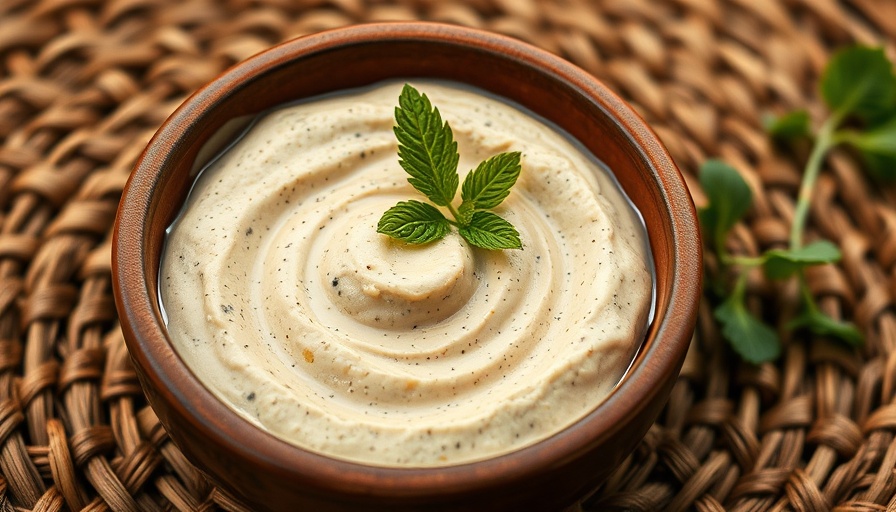
Swiss chard tahini dip served in a brown bowl with mint.

Discover the Magic of Swiss Chard Tahini Dip

Swiss chard tahini dip, known as Mutabbal Silik in Arabic, is a delightful and nutritious side dish that brings a taste of Middle Eastern cuisine straight into your kitchen. This creamy dip combines tender cooked chard ribs with a zesty tahini dressing flavored with garlic and lemon, making it an excellent accompaniment for various meals. Perhaps you’ve heard of other variations like Mutabbal Batinjan (eggplant dip) or Mutabbal Kousa (zucchini dip). These dishes highlight seasonal, fresh ingredients, which makes them not only tasty but also healthy!

A Taste of Home: The Comfort of Family Recipes

This Swiss chard tahini dip is not just a recipe; it's a tradition that resonates with many Lebanese families, evoking memories of family gatherings and shared meals. For many, it is a cherished dish passed down through generations. The process of preparing this dip—cutting, cooking, mashing—can feel meditative, connecting you to your roots while creating something delicious. When my family makes it chunky, we find that the texture and taste remind us of home, bridging generations and bringing us closer together, even if reminiscences are all we have left of those shared times.

The Nutritional Richness of Swiss Chard

Swiss chard is not only delicious but also packed with nutrients. Rich in vitamins A, C, and K, it supports immune health and provides antioxidants, making it an excellent addition to your diet. The tahini contributes healthy fats, enhancing the dip's overall nutritional profile. Each ingredient plays a role: fresh lemon juice is refreshing and adds vitamin C, while garlic introduces necessary antioxidants that boost our body's defenses. By integrating this dip into your meal planning, you're promoting a healthful lifestyle filled with vibrant flavors.

Tips for the Perfect Swiss Chard Tahini Dip

1. **Soaking the Chard:** To maintain the vibrant green color of the chard and prevent oxidation, soak the sliced ribs in water mixed with a tablespoon of vinegar before cooking. This simple step ensures they are as fresh and visually appealing as possible!

2. **Adjusting the Texture:** Everyone has different preferences when it comes to dips. If you like a creamier consistency, using a food processor makes it easy to achieve that perfect smooth texture. Alternatively, mashing by hand allows for a chunkier feel that can add character to the dish.

3. **Don’t Waste the Leaves:** Use the leftover chard leaves in delicious other dishes! They can be incorporated into salads, sautéed, or even used for stuffing, contributing even more nutrients without wasting any part of these amazing greens.

Storage and Serving Suggestions

This dip stores well in the refrigerator for up to a week, with flavors intensifying over time. Whether served cold as an appetizer or warm as a side, it pairs beautifully with pita bread, crackers, or raw vegetables. Its versatility makes it suitable for parties, family dinners, or cozy nights in.

Next time you're looking to impress your friends with a healthy and unique dip, remember the rich tradition and flavors behind Swiss chard tahini dip. Though delicious on its own, it can also complement a variety of dishes, making it a must-try!

Plant Based Nutrition

23 Views

0 Comments

Write A Comment

*
*
Related Posts All Posts
12.04.2025

Consume Green Tea Every Morning to Repair Your DNA—Here's How!

Update Unlocking the Power of Green Tea for DNA Repair In today's fast-paced life, health often takes a backseat, yet small changes can significantly impact our well-being. One remarkable, easy-to-implement change is incorporating green tea into our morning routine. Recent insights from Dr. Michael Greger have revealed how this common beverage can aid in the essential process of DNA repair, a function vital for maintaining cellular health and overall quality of life.In 'Consume This Every Morning And Repair Your DNA? Changes Seen After 1 Hour!', the discussion dives into the powerful effects of green tea on our health, exploring key insights that sparked deeper analysis on our end. The Significance of DNA Repair DNA repair is foundational to our existence as it provides the instructions necessary for building and maintaining every cell in our body. Every moment, our DNA faces thousands of threats from UV light, toxins, and even the metabolic processes of our body. If these threats go unchecked, they can lead to mutations that contribute to severe diseases, including cancer and neurodegenerative disorders. That's why enhancing DNA repair is not just about longevity but about quality of life as well. Green Tea: A Simple Solution to Boost DNA Repair Dr. Greger emphasizes that both black and green tea help bolster our DNA repair mechanisms, with green tea showing slightly better results. Remarkably, just one hour after consuming green tea, our body can significantly decrease the rate of DNA damage thanks to enhanced activity of DNA repair enzymes. This means that starting the day with this powerful drink could signal a healthier cellular environment. Research Backs the Benefits Studies supporting the benefits of green tea indicate that it may lower the risk of cognitive decline by 64% in older adults, alongside reducing risks of various cancers such as lung and ovarian cancer. Furthermore, daily consumption can also contribute to a decrease in heart disease risk factors, including high blood pressure and unhealthy blood lipids. Smart Drinking: Timing Matters It's important to note that for some, green tea can cause stomach discomfort, often attributed to its tannin content. To sidestep nausea, it’s recommended to enjoy green tea between meals or after a meal, ideally about 90 minutes post-consumption. This timing helps minimize any potential interference with iron absorption, allowing your body to make the most of the many health benefits green tea offers. Beyond Green Tea: Other Fruits for DNA Health While green tea stands out as a powerful ally in our health journey, there are other fruits to explore that can also aid in DNA repair. As you embark on this healthful quest, diversify your intake to include a variety of nutrient-rich foods that can enhance your overall well-being. In summary, adding green tea to your family’s daily routine may hold the key to unlocking not just DNA repair, but a healthier body. Consider making this small adjustment to your morning ritual for potential long-term benefits.

11.27.2025

Discover Why Black Beans Might Replace Blueberries for Families

Update Black Beans: The Surprising Nutritional Powerhouse In an era of rising living costs, families are often on the lookout for budget-friendly yet nutritious food options. You may be familiar with the superfood status of blueberries, but a recent revelation brings black beans into the spotlight as a wholesome alternative that offers significant health benefits at a lower price point.In 'Unexpected Food Knocks Blueberries Off Top Spot?', the discussion dives into the surprising health benefits of black beans, prompting a deeper analysis our end. Why Black Beans Could Top Blueberries A fascinating statistic recently emerged that half a cup of black beans delivers over 2,200 mg of polyphenols, nearly double what blueberries offer! This powerful amount of antioxidants plays a vital role in reducing inflammation, protecting against oxidative stress, and potentially modulating how our cells function. Understanding Polyphenols and Antioxidants Polyphenols are naturally occurring compounds found in plants that provide various health benefits, including enhancing cardiovascular health and enveloping cells in protective powers against chronic diseases. Black beans are remarkably rich in these compounds, contributing more antioxidants than many common fruits. Black Beans in Action: The Research Behind the Buzz Recent studies reflect the incredible impacts of black beans on inflammation and overall heart health. One compelling study illustrated how consuming just one cup of black beans daily reduced interleukin-6—a key inflammatory protein—in the body. After three months of eating black beans, participants showed a decrease in this marker, emphasizing the beans' role in combatting chronic inflammation. Practical Recipes to Incorporate Black Beans For families eager to include black beans in their meals, the options are endless! Simple recipes such as black bean chili, brownies, or colorful bean salads can provide delicious ways to improve diet without breaking the bank. Canned black beans are a convenient option, but it's essential to keep an eye on safety concerns regarding canning methods. The Benefits of a Plant-Based Diet for Families Transitioning to a plant-based diet not only benefits individual health but also family well-being. Incorporating versatile foods like black beans promotes a healthier body, teaches children about nutrition, and can often lead to decreased grocery bills. By embracing a diet rich in plants, families can create lasting connections promoting sustainable eating habits. So the next time you reach for snack options, consider black beans as a nutritious and cost-effective substitute that may just edge out blueberries as the ultimate superfood.

11.20.2025

Maximize Your Family's Nutrition: How to Cook Kale Right

Update Unlocking Kale's Superpowers: Why Preparation Matters Kale is much more than just a leafy green; it’s often labeled as a superfood due to its impressive nutrient profile. However, many families don’t realize that how you prepare kale can drastically affect the health benefits it offers. From immune protection to combating cancer, understanding the right cooking methods can ensure that you’re making the most out of this powerful vegetable.In "You're Losing 50% Of Kale's Nutrients! Do These 2 Things!", the discussion dives into essential cooking methods, exploring key insights that sparked deeper analysis on our end. Two Simple Hacks to Maximize Nutrients In the insightful video featuring Dr. Michael Greger, viewers learn two crucial hacks for maximizing the nutrition derived from kale: pressure cooking and the timing of chopping. First, pressure cooking for just 1-2 minutes keeps an astounding 85-95% of vitamin C, along with other critical nutrients. This quick method minimizes water exposure, effectively retaining the kale's health benefits. For those without a pressure cooker, microwaving kale with a small amount of water for about 3.5 minutes also works wonders, preserving 60-70% of vitamin C and most carotenoids. This ensures that families can enjoy nutrient-laden dishes even on busy weeknights. The Importance of Timing: Chopping Kale The second tip involves chopping the kale and letting it sit for approximately 30 minutes before cooking. This may sound simple, but it enhances the formation of sulforaphane, a compound linked to reducing inflammation and promoting overall health. When families incorporate this method, they may increase sulforaphane formation by three to six times, amplifying kale’s cancer-fighting properties. Why All This Matters to Families For families looking to build a healthy body and incorporate a plant-based diet into their meals, these practices aren’t just insights—they’re game-changers. Involving children in the preparation process and teaching them the importance of nutrition fosters healthy habits. By taking just a few extra steps, like timing the cut and opting for a quick cook, parents can help safeguard their family's health and make meals tastier. Common Concerns: Carcinogens in Kale Amid the numerous benefits, there’s a topic often raised about kale: the presence of carcinogenic substances. This raises questions, especially for health-conscious families. While it’s important to be aware, understanding how to minimize risks while maximizing nutrients is key. Kale remains a valuable component of any diet when prepared mindfully. Embracing Healthy Cooking Techniques In summary, utilizing both pressure cooking and appropriate chopping techniques can ensure that families retain kale’s full nutritional potential. As parents adopt these methods, they not only enhance their meals but also promote a culture of health and wellness among their family members, leading to long-term benefits. By incorporating these tips into your kitchen routine, you can make every meal with kale a step towards better health. Engage your family in the process—after all, cooking together can be a delightful bonding experience!

Terms of Service

Privacy Policy

Core Modal Title

Sorry, no results found

You Might Find These Articles Interesting

T
Please Check Your Email
We Will Be Following Up Shortly
*
*
*