Add Row
Add Element
cropper
update
Nourish With Plants News Media
update
Add Element
  • Home
  • Categories
    • Plant Based Nutrition
    • Sustainabe Living
    • Recipes and Meal Plans
    • Functional Medicine
    • Health Line News
March 19.2025
3 Minutes Read

Unlock the Benefits of a Seasonal Reset: 6 Ways to Refresh Your Life

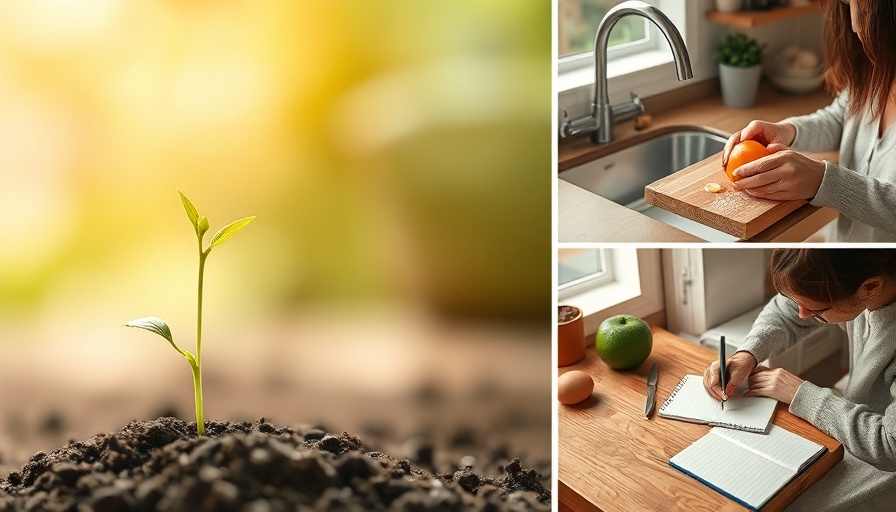
Reset your life with plant growth, cleaning, cooking, and planning.

A Seasonal Reset: Embracing Spring's New Beginnings

As winter slowly fades, the arrival of spring brings with it a sense of renewal and the perfect opportunity to reset your life. After months of cold and gray days, many of us start to feel the urge to clear out the cobwebs—both in our homes and our minds. Following the insights shared in the video 6 ways to RESET your life 🌷 spring cleaning, decluttering, seasonal living, let’s explore some actionable steps that can help families embrace the changing season and refresh their spirits.

In 6 ways to RESET your life 🌷 spring cleaning, decluttering, seasonal living, the discussion dives into how to refresh your life this spring, exploring key insights that sparked deeper analysis on our end.

Reconnect with Nature: The Essence of Seasonal Living

Spring symbolizes a time for growth and reconnecting with nature. For families, this can mean spending more time outdoors, gardening, or simply observing the world as it blooms around you. Children can benefit immensely from outdoor activities like planting flowers or vegetables in the garden, which not only teaches them responsibility but also the joy of nurturing life. Gardening can become a cherished family tradition, instilling a sense of accomplishment as they watch their plants grow. With fresh air surrounding you, consider planning family outings to local parks or nature reserves to foster a stronger connection with the environment and each other.

Time to Declutter: Lighten the Load for a Fresh Start

Spring cleaning isn't just about scrubbing surfaces; it's a holistic approach to decluttering both physical and mental spaces. Take the time to evaluate what items are no longer serving you. Involve the entire family by turning decluttering into a fun activity. Create challenges like seeing who can gather the most items to donate. This fosters teamwork and makes the process enjoyable. Additionally, clearing out those forgotten corners in your home can promote a sense of tranquility and openness, refreshing your living space just in time for the new season.

Revitalize Your Mind: Reflecting on Personal Goals

As the climate shifts, so too should your focus on personal and family goals. Spring is the ideal time to revisit the intentions set at the beginning of the year. Use journaling as a tool to reflect on what has or hasn’t worked thus far, and what adjustments may be necessary to align your daily actions with your core values. Ask your family to partake in this activity; it encourages open dialogue and strengthens mutual support as everyone shares their aspirations for the upcoming months.

The Joy of New Recipes: Savoring Seasonal Produce

Spring signifies the arrival of fresh produce that can inspire exciting new recipes. Introducing families to seasonal ingredients like asparagus, strawberries, and spinach can open the door to vibrant meals that are both nutritious and enjoyable. Cooking together is a wonderful bonding experience—try creating a fresh salad or light pasta dish as a family unit. Involve your children by assigning them simple tasks such as washing vegetables or mixing ingredients. Not only will you be nourishing their bodies, but you will also be teaching them valuable skills and instilling a love for healthy eating.

Wardrobe Refresh: Embrace Lighter Fabrics and Colors

As the temperatures rise, it’s natural to transition from winter garments to lighter, more colorful clothing. Involving the family in this seasonal wardrobe refresh can be a fun way to encourage self-expression and creativity. Host a clothing swap with friends or organize a fun day at a thrift store to find those perfect spring additions. This not only saves money but also teaches kids about sustainability.

By implementing these strategies to reset your life this spring, you unlock the potential for a vibrant season ahead. Let the sun and new beginnings inspire your family's journey toward holistic living, allowing you to embrace nature and nurture connections with each other. So, as we welcome the shifting seasons, take a moment to consider your reset plan and involve the ones who matter most.

We would love to hear from you! What are your favorite spring rituals? Share your personal resets and let’s inspire each other to embrace the fresh opportunities that this beautiful season offers.

Sustainabe Living

13 Views

0 Comments

Write A Comment

*
*
Related Posts All Posts
12.04.2025

How to Avoid Touching Your Face During Food Prep for Safer Meals

Update Why Avoiding Face Touching Matters in the Kitchen Have you ever noticed how frequently we touch our faces without even realizing it? It’s a natural habit, but when it comes to food preparation, this seemingly harmless act can lead to serious health issues. In fact, your face is a common entry point for germs and bacteria. When you touch your face, those microorganisms can easily transfer from your hands to your food, increasing the risk of contamination and foodborne illnesses.In How To Avoid Touching Your Face During Food Prep?, the discussion dives into hygiene practices, exploring key insights that sparked deeper analysis on our end. Simple Strategies to Reduce Face Touching So how can families maintain a hygienic cooking environment? Wash Your Hands: Before you begin food prep, ensure that you thoroughly wash your hands with soap and warm water for at least 20 seconds. Clean hands are your first line of defense against germs. Get Organized: Prepare all your ingredients ahead of time—chop vegetables and measure spices before cooking. This minimizes idle moments when you might be tempted to touch your face. Create Barriers: For added hygiene, pull back long hair and secure jewelry. Having a clean kitchen towel or paper towels at hand means you can quickly clean your hands if you need to wipe your nose or scratch an itch. A Pro Tip from the Pros Some professional chefs recommend designating one hand for food handling and using the other for utility tasks. Always wash hands after switching tasks. This practice can significantly reduce the chances of cross-contamination, ensuring your culinary creations are safe and delicious. The Big Picture of Food Safety Every time you resist the urge to touch your face while cooking, you’re not just safeguarding your health but also enhancing the experience for family and friends enjoying your meals. Small habit changes can lead to significant improvements in food safety. And remember, these practices are part of a broader commitment to sustainable living. Why not embrace these simple yet impactful changes in your kitchen to foster not just a healthier home but a healthier planet?

12.04.2025

Why Some Pots Aren't Ideal for All Gardeners: Essential Tips

Update Why Certain Pots May Not Fit Your Gardening Needs As gardening enthusiasts, we all strive for the best conditions to grow our plants. However, not every container is suited for everyone looking to cultivate their green space. In the insightful video “Why These Pots Aren't Great for Everyone! #figs,” the content highlights critical factors in selecting pots for your gardening journey. From improper drainage to material restrictions, this discussion offers a springboard into deeper analysis on how to genuinely foster growth in your garden.In 'Why These Pots Aren't Great for Everyone! #figs,' the discussion dives into the importance of selecting the right pots for planting, prompting us to analyze critical insights to enhance our gardening experiences. Understanding Drainage Needs for Plant Health One common issue gardeners face while planting is excess water accumulation, which can lead to root rot. It's essential to understand that not all pots are made with adequate drainage in mind. Terracotta pots are popular but can dry out quickly. In contrast, plastic pots may retain too much moisture. Depending on your plant's needs—whether you're aiming for fresh vegetables or colorful blooms—choosing the right pot ensures proper water retention and drainage. As someone who's experimented with various pots in my garden, I've learned that observing how quickly soil dries can help in choosing the right type of pot. Materials Matter: How Pot Composition Affects Growth Another aspect to consider is the material of the pots you choose. While ceramic pots may be aesthetically pleasing, they can be heavier and more expensive. On the other hand, lightweight plastic options can provide convenience but may not always protect roots from fluctuating temperatures. Each material has its advantages and disadvantages, highlighting the importance of selecting the right pot based on the climate of your gardening area. When you pair your favorite plant with the right pot material, that’s when fresh vegetables can thrive! Best Practices for Green Thumbs: Actionable Tips for Choosing Pots Choosing the right pot doesn't have to be a chore; with a few actionable tips, you can enhance your gardening experience. Here are a couple to consider: Check Pot Size: Plants need space to grow, so choose pots that allow for root expansion without being overly restrictive. Assess Plant Types: Tailor your pot choices depending on the type of plants you're growing. Herbs might fare well in smaller, shallow pots, while bigger vegetables need room to spread. Conclusion: Gardening Choices for a Thriving Garden Your gardening journey can flourish with the right tools and resources. While some pots might not appeal to every gardener, understanding their features allows you to create a welcoming home for your plants. Remember, a well-chosen pot can make the difference between struggles and success in your planting. Ready to elevate your gardening experience? Dive deeper into the world of sustainable living with practical tips that can help you ensure that your plants thrive!

12.03.2025

Cleaning vs. Sanitizing: Essential Practices for Family Kitchen Safety

Update Understanding the Core Difference: Cleaning vs. Sanitizing Have you ever stood in your kitchen, wiping down the countertops, and wondered if your efforts are truly enough? You might think cleaning and sanitizing are just different terms for the same action, but in reality, they serve different—but equally important—purposes when it comes to food safety. Cleaning removes visible dirt and debris from surfaces, while sanitizing goes one step further by reducing harmful microorganisms to safer levels. In other words, cleaning is like taking out the trash; sanitizing is like ensuring the trash can is disinfected.In ‘What Is The Difference Between Cleaning And Sanitizing?’, the video discusses important distinctions and practical steps for maintaining a safe kitchen environment, prompting a deeper exploration of these essential practices. Why It Matters for Food Safety The Centers for Disease Control and Prevention (CDC) stresses that sanitizing is vital for lowering the risk of foodborne illnesses. Especially in family households, the kitchen is a hub of activity, where cross-contamination can easily occur if surfaces aren’t properly managed. Think of cleaning as your primary defense, making surfaces ready for sanitizing, which is your ultimate protection against unseen threats. Steps to Ensure Safe Food Preparation To establish a hygiene protocol in your kitchen, follow a simple two-step process: First, thoroughly clean surfaces using warm water and dish soap to eliminate any food residues. Rinse with clean water. Second, apply a sanitizing solution—like mixing one teaspoon of liquid bleach with one gallon of cool water—and allow it to sit long enough to do its job before wiping or leaving it to air dry. This sequential approach guarantees both visible cleanliness and invisible safety. Building Healthy Habits in the Kitchen Incorporating cleaning and sanitizing into your regular kitchen habits not only protects your family from illness but also promotes a culture of health and responsibility. By prioritizing hygiene, you're nurturing a safe space for meal preparation, ultimately contributing to sustainable living. This simple method helps you ensure that everyone at your table can enjoy food with confidence. Ultimately, understanding and applying these two processes isn’t just about tidiness; it’s about safeguarding your loved ones. By being proactive in maintaining your kitchen, you build a healthier, more sustainable home.

Terms of Service

Privacy Policy

Core Modal Title

Sorry, no results found

You Might Find These Articles Interesting

T
Please Check Your Email
We Will Be Following Up Shortly
*
*
*