Add Row
Add Element
cropper
update
Nourish With Plants News Media
update
Add Element
  • Home
  • Categories
    • Plant Based Nutrition
    • Sustainabe Living
    • Recipes and Meal Plans
    • Functional Medicine
    • Health Line News
May 28.2025
3 Minutes Read

Unlock the Benefits of Anthocyanins for Your Family's Health!

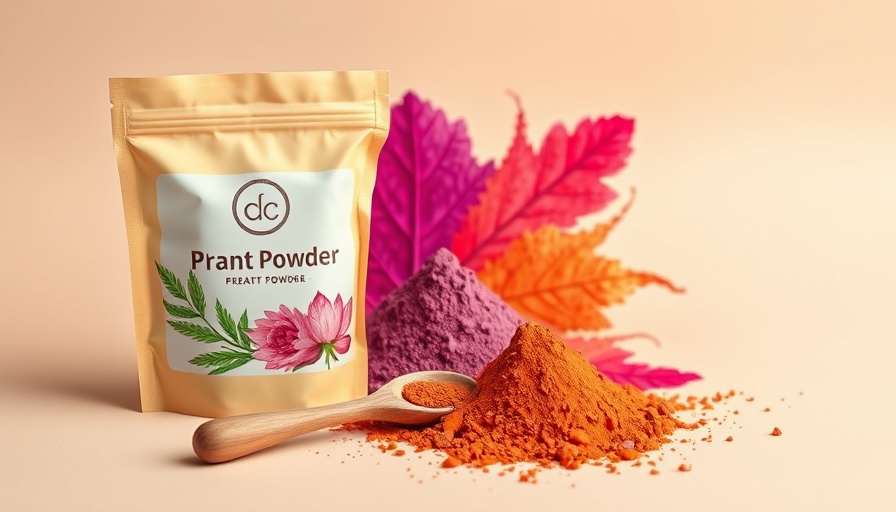
Colorful plant-based diet powder with packaging and spoon.

Why You Should Celebrate Anthocyanins

In a world where health trends come and go, some dietary elements stand firm as reliable agents for better health. One such group of nutrients is found in colorful fruits and vegetables known as anthocyanins. These pigments are responsible for the vibrant blue, purple, and red colors in foods like berries and purple sweet potatoes, and they are more than just eye candy on your plate. Packed with remarkable antioxidant properties, anthocyanins contribute to fighting oxidative stress and inflammation, two key culprits behind several chronic conditions. As families become increasingly aware of the importance of a plant-based diet, incorporating these colorful foods can enhance not only physical health but also longevity and cognitive function.

In Powerful & Delicious Powder Dr Greger Is Now Adding To Food!, the discussion dives into the significance of anthocyanins in our diet, exploring key insights that sparked deeper analysis on our end.

The Power of Purple Sweet Potatoes

Dr. Greger's recent discovery of purple sweet potato powder exemplifies how families can offload health benefits into their meals easily. Missing out on fresh produce due to seasonal or geographical limits can hamper your family's healthy eating journey. However, powdered forms of potent ingredients can address these challenges efficiently. Purple sweet potato powder can be blended into smoothies, baked goods, or even stirred into oatmeal, all while delivering the same benefits as its whole-food counterpart. This convenience is critical, especially in fast-paced households aiming for nutritious meals.

Broadening Your Family’s Palette

Introducing a range of colors to your family’s meals can not only make dinner more exciting but also healthier. While we often focus on one or two staples, the truth is that a variety of colors in vegetables typically equates to a greater range of nutrients. Besides powerful anthocyanins found in these colorful foods, families can benefit from other important vitamins, minerals, and fiber. Moreover, when children are involved in choosing from an array of colorful dishes, they are more likely to eat what is served, promoting better eating habits early on.

Creative Ways to Include Anthocyanins

For families looking to get creative with anthocyanins, it’s more accessible than you might think! Consider making smoothie bowls topped with blueberries, raspberries, and a sprinkle of purple sweet potato powder for that vibrant color and added nutrients. You can also experiment with homemade oatmeal pancakes, adding powder or mashed sweet potatoes for both color and natural sweetness. The key here is experimenting with your children, turning meal prep into a fun family activity rather than a chore.

The Bigger Picture: Health and Science

While elevating our diet with colorful foods, it's essential to remember the broader implications of our choices. The healthy body outcomes stemming from these dietary adjustments aren't just personal; they resonate throughout our communities. By adopting a plant-based lifestyle for our families, we contribute to a more sustainable planet, reducing the environmental impacts associated with animal farming. Every meal is a choice, and it enables families to embrace their role in creating a healthier future.

In Powerful & Delicious Powder Dr Greger Is Now Adding To Food!, the discussion moves into how anthocyanin-rich foods play a crucial role in our health decisions, highlighting amazing insights worth further exploration.

Plant Based Nutrition

13 Views

0 Comments

Write A Comment

*
*
Related Posts All Posts
01.18.2026

Why Omega-3 Supplements Are Essential for Plant-Based Families

Update Why Omega-3s Matter for Plant-Based Families For families committed to a 100% plant-based diet, the question of whether to take omega-3 supplements looms large. Omega-3 fatty acids, especially long-chain types like DHA, play crucial roles in maintaining a healthy body. New research suggests that while algae-based omega-3s are a convenient choice, families must carefully consider their long-term benefits and any potential gaps in nutrition. This article sheds light on the importance of omega-3s, especially for those who are raising children on plant-based diets.In 'Major Update On Omega 3 Supplements For Vegans! Were We Wrong?', the discussion dives into the nutritional needs of plant-based families and the role of omega-3s, exploring insights that sparked deeper analysis on our end. The Algae Omega-3 Debate Previously, the recommendation for families was to opt for algae-sourced omega-3 supplements. But new studies have raised questions about whether this is sufficient. Algae omega-3s provide beneficial DHA, which is essential for brain development and cognition. However, the effectiveness and absorption of these supplements can vary among individuals. Can families truly supply their dietary needs solely through plant sources, or is supplementation the safer route? These are valid concerns that each family should weigh carefully. The Risks of Missing Out on Omega-3 Not incorporating enough omega-3 fatty acids in one’s diet can lead to a variety of health issues, particularly concerning cognitive function. Studies highlight a potential link between low omega-3 levels and an increased risk of neurodevelopmental issues in children. Agonizing over whether your family's plant-based diet might fall short in omega-3s shouldn’t be taken lightly. A few simple dietary tweaks can help ensure that your children benefit from these essential nutrients. Practical Tips for Omega-3 Intake So, how can families ensure they meet their omega-3 needs? Incorporating foods rich in ALA (another type of omega-3) can be a good start. Foods such as chia seeds, walnuts, and flaxseeds can boost ALA intake. Additionally, finding a reputable source of algae supplements can provide those precious DHA levels without comprising dietary values. It’s all about balance, ensuring that health and science are aligned with your family’s nutritional needs. Health Implications for Future Generations As more families embark on plant-based journeys, the importance of omega-3 intake will only grow. The health and cognitive impacts of these essential fatty acids can shape future generations. Making proactive choices today is vital for ensuring healthier kids tomorrow. Ultimately, keeping an open dialogue about dietary needs and pursuing education surrounding nutrition will optimize health outcomes for plant-based families. As this discussion about omega-3 supplements evolves, families looking to maintain a healthy body on a plant-based diet should take the time to consider their options critically. The recent updates around omega-3s signal a time for families to reassess their dietary choices.

01.18.2026

Make This Easy Red Salsa Recipe in Just 10 Minutes!

Update Quick and Flavorful Red Salsa Recipe Anyone Can Make If you're a fan of Mexican cuisine or simply love fresh flavors, this easy red salsa recipe is about to become your new go-to condiment. In just 10 minutes, you can whip up a batch filled with vibrant flavors that enhance everything from tortilla chips to tacos. Perfectly customizable, it’s healthier than store-bought options and made from pantry staples! The Origins of Salsa: A Culinary History Salsa has a rich history that dates back to Central America, with roots among the Incas, Aztecs, and Mayans. Since the 1500s, this sauce has been evolving—what started as a way to add spice to meals is now a staple condiment. Reports indicate that salsa sales in the U.S. have even outpaced that of ketchup since 1991, showcasing its growing popularity. Why Our Salsa Recipe Steals the Show What makes this red salsa truly special? The secret lies in its simplicity and adaptability. Featuring fire-roasted tomatoes, it offers a deep, smoky flavor that elevates the salsa and brings richness to every dip. You can easily adjust the spice level to suit your palate—making it an appealing option for both the spice lovers and those with milder tastes. Ingredients That Make a Difference Fire-Roasted Tomatoes: These provide a robust base that plain tomatoes simply can't match. Fresh Onion: Adds a wonderful sharpness that blends beautifully once everything is processed. Cilantro: This herb provides a fresh, zesty twist that brightens the entire dish. Tomato Sauce: Whether you prefer a hot variant or a mild one, this addition enhances the overall flavor profile. How to Customize Your Salsa Don’t hesitate to play around with the ingredients! You can substitute fresh tomatoes for canned ones, or adjust the spice by using different types of peppers. Additionally, feel free to incorporate garlic to deepen the flavor even further. The beauty of salsa is its flexibility. Storage and Shelf Life: Making Ahead of Time One of the advantages of making your own salsa is the ability to store it for later use. This salsa can typically last about a week in the refrigerator and is freezer-friendly, allowing you to savor the taste of summer tomatoes all year round. Serving Suggestions: Beyond Tortilla Chips While tortilla chips are a classic accompaniment, this versatile salsa shines when paired with tacos, grilled meats, or even used as a salad topping. It arms your meals with a burst of flavor, making it a star player in your everyday cooking. Next time you’re hosting a gathering or simply craving something delicious, remember this easy red salsa recipe! It’s not only quick to make, but it brings the authentic taste of Mexico to your table.

01.17.2026

Why the New Food Pyramid Promotes a Healthier Plant-Based Diet for Families

Update Understanding the New Food Pyramid: A Shift Towards Healthy Choices In the recent video titled “BREAKING! Dr Greger Hits Out At New Food Pyramid! (But They Also Got A Lot Right!)”, Dr. Michael Greger addresses the recent updates to the food pyramid—a tool designed to guide families in making healthier food choices. This shift in dietary guidelines aims to promote a more plant-based diet while reducing the focus on meat and dairy, which has stirred discussions among nutrition experts.In the video titled "BREAKING! Dr Greger Hits Out At New Food Pyramid! (But They Also Got A Lot Right!)", Dr. Greger highlights key insights into the evolving food pyramid, setting the stage for our deeper analysis on its implications for family health. Why the New Pyramid Matters for Families As families are increasingly encouraged to adopt healthier eating habits, understanding the new food pyramid's emphasis on fruits, vegetables, and whole grains becomes essential. With obesity and diet-related diseases rising among children, the updated pyramid aims to provide a clear roadmap for maintaining a healthy body. Emphasizing the importance of a plant-based diet can not only enhance family meals but also foster better long-term health outcomes. Exploring Dr. Greger's Concerns While Dr. Greger acknowledges the positive changes in the new pyramid, he also raises concerns about certain aspects that might not fully address family needs. For example, he argues that the pyramid still gives too much importance to processed foods, which can cloud the message of healthier eating. He advocates for simplification, urging families to focus on whole foods rather than getting lost in choices fueled by marketing and processed alternatives. Real-Life Examples of Plant-Based Diets Many families are already witnessing the benefits of incorporating more plant-based foods into their daily routines. For instance, parents are sharing stories of how swapping meat-based meals for plant-rich dishes has improved their children's energy levels and overall mood. Simple recipes featuring legumes, nuts, and seasonal vegetables can transform ordinary family dinners into nutritious feasts, proving that healthy eating doesn't have to be boring. A Future of Healthier Eating Starts at Home With the ongoing dialogue surrounding health and science, families are encouraged to take an active role in their dietary choices. The new food pyramid can serve as a guide, but the real change happens when families start making conscious decisions at the dinner table. This could mean exploring new recipes, involving kids in meal prep, or even starting a small vegetable garden at home to ignite excitement about fresh produce. Common Misconceptions about Plant-Based Eating Despite the benefits, several misconceptions surround a plant-based diet. Families may think that going plant-based means sacrificing flavors, but this couldn't be further from the truth. Delicious, hearty meals can easily be created without meat. Additionally, there's a fear that plant-based diets lack sufficient protein—this article aims to dispel those myths by highlighting protein sources like beans, tofu, and quinoa. Call to Action: Join the Healthy Eating Revolution! As families navigate this evolving landscape of food choices, it's important to become informed about their dietary options. Exploring plant-based recipes not only leads to healthier eating habits but can forge stronger family bonds during meal times. We encourage our readers to delve into this new approach to the food pyramid and share their own stories of transitioning towards a healthier lifestyle.

Terms of Service

Privacy Policy

Core Modal Title

Sorry, no results found

You Might Find These Articles Interesting

T
Please Check Your Email
We Will Be Following Up Shortly
*
*
*