Add Row
Add Element
cropper
update
Nourish With Plants News Media
update
Add Element
  • Home
  • Categories
    • Plant-Powered Living
    • Sustainabe Living
    • Recipes and Meal Plans
    • Functional Medicine
    • Food as Medicine
August 23.2025
3 Minutes Read

Unlock the Secrets to Shaping Your Established Fig Tree Today!

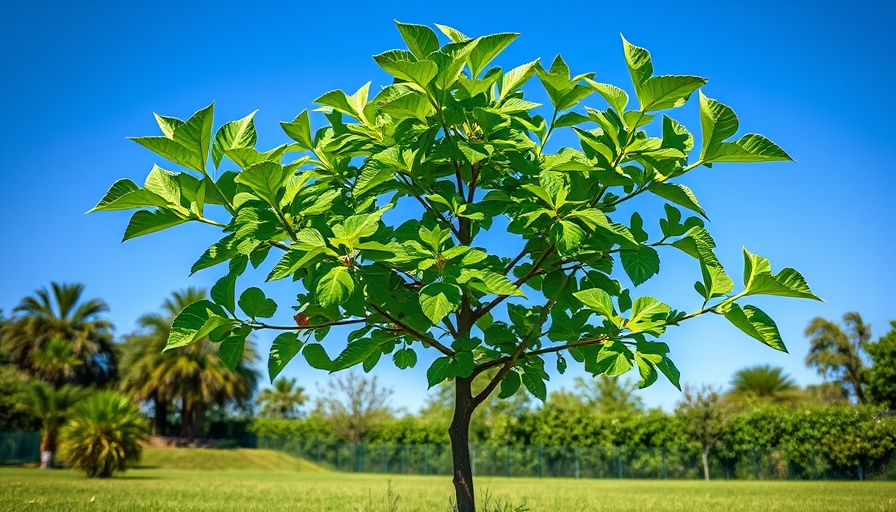
Shaping your established fig tree in a grassy garden setting.

SEO Keyword: Essential Tips for Shaping Your Fig Tree

Fig trees are a delectable addition to any garden, not only enhancing your landscape but also providing a bounty of fresh fruits right at your doorstep. In this article, we’ll explore essential tips for shaping your established fig tree to maximize both its health and yield. Whether you're a seasoned gardener or just starting out, understanding how to tend to your fig tree will contribute to your overall gardening success!

In How to Shape a Established Fig Tree, we delved into the significance of proper shaping and care for fig trees, inspiring us to further explore the process and its benefits.

Why Shaping Your Fig Tree Matters

Shaping a fig tree is crucial for various reasons: it promotes better air circulation, enhances fruit production, and preserves the tree’s overall health. Neglecting to shape your tree can lead to overcrowding of branches, limiting sunlight and airflow, which are vital for fruit ripening. For gardeners aiming to enjoy the best-tasting figs, pruning and shaping should be essential practices in your gardening routine.

Choosing the Right Time to Prune

Timing is key when it comes to pruning your fig tree. The best time to shape and prune the tree is during late winter or early spring, before the new growth begins. This allows the tree to heal from the cuts and encourages robust growth during the warmer months. Gardeners should keep an eye on their local climate to determine when late winter arrives in their area, ensuring they’re ready to take action.

Practical Steps for Shaping Your Fig Tree

When shaping your fig tree, here are some actionable steps to consider:

  • Assess the Structure: Start by assessing your tree’s crown and branch structure. Remove any weak, crowded, or overlapping branches that can hinder growth.
  • Choose a Central Leader: Select a central leader—this is the main stem from which the side branches will grow. Ensuring a strong central leader helps the tree grow uniformly.
  • Thin Out Excess Growth: Remove crowded growth inside the tree to allow for better light penetration, which can lead to healthier fruits.
  • Maintain Height: If your tree has grown too tall, trim the top branches to maintain a manageable height for easier harvesting.

Building Connections Through Gardening

Gardening goes beyond cultivating plants; it often fosters connections among community members. By sharing tips on how to shape healthy fig trees, you're also encouraging conversations about sustainable practices that can lead to collective efforts for greener living. Engaging with fellow gardening enthusiasts can provide even more insights and motivate others to grow their own fresh produce, contributing to a communal sense of achievement.

A Fresh Perspective on Fig Trees

Selling the benefits of shaping an established fig tree extends beyond aesthetics. Picture enjoying fresh figs sprinkled over your morning oatmeal or made into a wholesome jam. Every fig benefits from your attention, making the effort worthwhile. As you undertake this gardening task, visualize the joy those fresh vegetables and fruits will bring into your kitchen and your life.

In How to Shape a Established Fig Tree, we explored many essential insights into caring for your garden. By following these guiding principles, you can be well on your way to having a beautifully shaped and productive fig tree that delights you and your neighbors.

Sustainabe Living

5 Views

0 Comments

Write A Comment

*
*
Related Posts All Posts
03.05.2026

Discover the Secrets of Growing Fig Trees: Do They Need Dormancy?

Update Understanding Fig Trees: Do They Really Need Dormancy? Fig trees are beautiful additions to any garden, offering not just stunning foliage but also delicious fruits. However, the question many aspiring gardeners ask is whether these lovely plants need to go through a dormant phase. In the short video ‘Do Fig Trees Need to Go Dormant?’, the discussion sheds light on fig tree care, particularly how dormancy can influence their growth and fruit production.In 'Do Fig Trees Need to Go Dormant?', the discussion dives into essential fig tree care, exploring key insights that sparked deeper analysis on our end. The Importance of Dormancy for Fig Trees Dormancy is a natural phase for many trees and plants that enables them to conserve energy and survive unfavorable conditions, particularly during winter. For fig trees, which thrive in warm climates, understanding this cycle is crucial. Although not all fig varieties strictly require dormancy, allowing them to rest can lead to healthier trees and more fruitful harvests. This period often helps the tree build strength and resilience, ensuring it can produce luscious fruits in the coming season. Practical Tips for Growing Healthy Fig Trees Incorporating sustainable gardening practices can enhance the health of your fig trees. Here are a few key tips: Choose the Right Location: Fig trees prefer well-drained soil and ample sunlight. Ensure your chosen spot receives at least six hours of daily sun for optimal growth. Monitor Watering: Overwatering can harm the roots. Keep the soil moist but not soggy; this balance is vital, especially during the tree's growing season. Prune Wisely: Pruning encourages airflow and sunlight exposure, both essential for a healthy crop. Aim to prune after harvest to encourage bursting spring growth. The Joy of Harvesting Fresh Vegetables Growing fig trees is not just about beauty; it’s also about achieving that rewarding feeling of harvesting fresh fruits right from your garden. Imagine the satisfaction of plucking ripe figs, tossing them in a fresh salad, or enjoying them as a healthy snack. Pairing the figs with other home-grown vegetables adds a delightful twist to your meals, nurturing your body while enjoying the fruits of your labor. There’s something invaluable about knowing where your food comes from, contributing not only to your health but to sustainable living as well. Embracing Sustainable Living Through Gardening Caring for fig trees aligns perfectly with the broader movement towards sustainable living. By growing your own fruits and vegetables, you reduce reliance on store-bought produce and further decrease your carbon footprint. Moreover, nurturing plants fosters a connection with nature, enriching your mental health and bringing joy into your daily life. Conclusion: Why Take Action Today? As you consider whether to include fig trees in your gardening adventure, remember that they not only beautify your space but can also enhance your well-being. Embrace the benefits of gardening as a rewarding hobby that contributes to your health and happiness. Start planting today and enjoy cultivating fresh, delicious produce right in your backyard!

03.04.2026

Overcoming Productivity Dysmorphia: A Guide to Healthy Success

Update Productivity Dysmorphia: Understanding the New Norm In a world where hustle culture is all the rage, many individuals are battling an invisible enemy: productivity dysmorphia. This phenomenon manifests as an overwhelming feeling that no matter how hard we work, it’s never enough. The pressure to be constantly productive can lead to feelings of inadequacy and an unrelenting cycle of stress and burnout.In 'Productivity Dysmorphia: The Feeling You're Never Doing Enough', the discussion explores how societal pressures can distort our perception of productivity, prompting us to break down its key insights and offer more in-depth analysis. The Origins of Productivity Dysmorphia Much like body dysmorphia affects how individuals perceive their physical appearance, productivity dysmorphia distorts our view of our accomplishments. Social media plays a significant role in this issue, with relentless streams of curated lives showcasing perfect productivity. Many health enthusiasts and families often find themselves caught in a comparison trap, leading to unrealistic expectations about what success looks like. Understanding this can empower individuals to shift their mindset towards a healthier perspective. Reframing Productivity: Quality Over Quantity Instead of focusing on the amount of work done, it’s essential to emphasize the value and impact of that work. Small, meaningful actions can pave the way toward greater achievements. Embracing this mindset can diminish feelings of inadequacy, fostering a sense of achievement derived from genuine productivity rather than a sheer volume of tasks completed. The Role of Organization in Tackling Dysmorphia Effective organization can greatly reduce feelings of overwhelm. Families can benefit from creating structured plans that prioritize important tasks. By setting clear goals through actionable planning, individuals can maintain motivation and enhance efficiency. This method not only improves work performance but also elevates mental wellness. Practice Self-Compassion for Greater Productivity It’s time to break free from harsh self-judgments. Practicing self-compassion encourages individuals to accept their current choices and progress. It’s okay to acknowledge challenges without letting them define one’s self-worth. This shift in mindset helps with self-discipline, affirming that productivity is not just about doing more, but about creating a sustainable approach to goals and wellness. Strategies for Overcoming Productivity Dysmorphia 1. Set Realistic Goals: Break larger goals into smaller, manageable steps. Celebrate each small success along the way to reinforce positive habits. 2. Limit Social Media Exposure: Curate your social media feeds to include content that inspires rather than causes you to compare. 3. Mindfulness and Reflection: Take moments for mindful reflection to appreciate your journey. Journaling can help track your progress and serve as a reminder of your achievements. Finding Inspiration in the Journey Embracing a holistic approach to productivity allows for greater self-awareness and emotional well-being. Families and health enthusiasts can foster a supportive environment that promotes discipline without pressure. Remember, it’s not just about what you achieve, but how you feel along the way.

03.03.2026

Unlock Fresh Vegetables This Spring: Early Planting Tips for Survival Gardens

Update Spring Awakening: Essential Vegetables to Plant Early As the chill of winter fades, spring brings a sense of renewal and excitement, especially for gardening enthusiasts. If you're wondering what to plant in early spring, consider creating a "Survival Garden"—a sustainable way to ensure you have fresh vegetables throughout the growing season. This term encompasses a collection of hardy crops that thrive even in cooler temperatures, paving the way for a fruitful harvest.In 'What to Plant in Early Spring - "Survival Garden" Edition,' the discussion dives into essential vegetables for early planting, exploring key insights that sparked deeper analysis on our end. Why Early Planting Matters for Your Garden Timing is everything in gardening! Planting early not only boosts your yield but also gives you access to fresh vegetables sooner. Root crops like carrots and radishes benefit from being sown when soil temperatures begin to warm. These vegetables can tolerate the mild frosts that often surprise us in early spring, making them reliable choices for eager gardeners. Your Go-To Early Spring Crops Essential plants for your Survival Garden include: Radishes: Fast-growing and flavorful, radishes can be harvested in as little as three weeks after planting. Spinach: Packed with nutrients, spinach thrives in cooler weather. You can continuously harvest the leaves, ensuring fresh salad greens. Peas: These are perfect for early planting as they relish the cooler temperatures and can be planted as soon as the soil is workable. Beets: Easy to grow and versatile in the kitchen, beets thrive when planted in early spring, and their leafy greens are edible too! By choosing these hardy varieties, you ensure a continuous supply of fresh vegetables to enrich your meals throughout the spring and summer months. Practical Tips for Planting Success To enhance your planting success this season, consider these tips: Soil Preparation: Always begin with well-prepared soil. Enrich your garden beds with compost to provide essential nutrients. Understanding Frost Dates: Familiarize yourself with your local frost dates to avoid planting too early, which can damage tender shoots. Visualize Your Garden: Plan your garden’s layout! Consider spacing, sunlight, and the growth habits of your chosen crops for better yield. Implementing these simple actions will set you up for a flourishing garden filled with healthful produce! Embracing Gardening for Wellness Gardening does more than provide fresh vegetables; it also contributes to overall well-being. The connection between gardening and mental health is well-documented, with studies showing that time spent tending to green spaces can boost mood and reduce stress levels. Engaging with nature provides a sense of accomplishment and joy, making every outing in your garden a valuable experience. So, whether you're new to gardening or a seasoned pro, spring is your golden opportunity to plant the seeds of health and happiness. Start today by designing your Survival Garden with these early crops to enjoy a bountiful harvest and elevate your lifestyle!

Terms of Service

Privacy Policy

Core Modal Title

Sorry, no results found

You Might Find These Articles Interesting

T
Please Check Your Email
We Will Be Following Up Shortly
*
*
*