Add Row
Add Element
cropper
update
Nourish With Plants News Media
update
Add Element
  • Home
  • Categories
    • Plant Based Nutrition
    • Sustainabe Living
    • Recipes and Meal Plans
    • Functional Medicine
    • Health Line News
August 23.2025
3 Minutes Read

Unlocking the Secrets of Drainage: Essential Gardening Tips

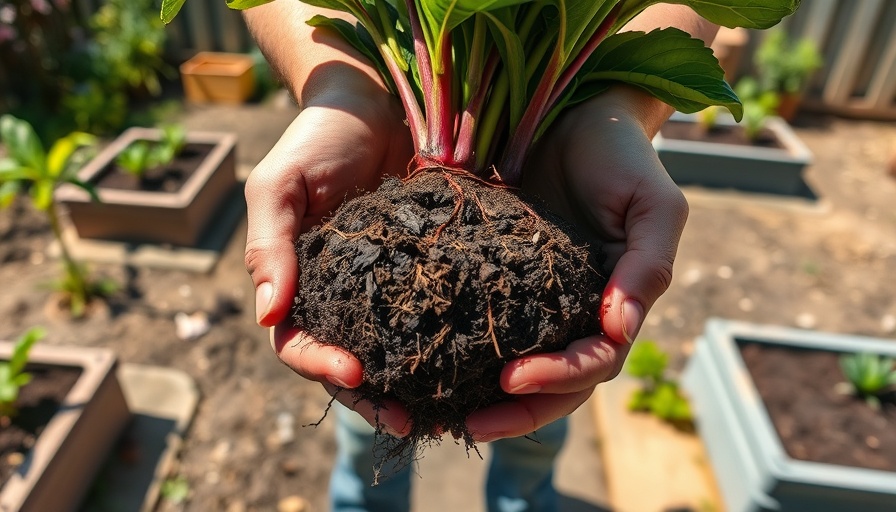
Analyzing plant drainage in gardening setup.

Understanding the Lifeblood of Your Garden

Moisture is undeniably the lifeblood of any garden; it is essential for the growth and vitality of plants. However, we often overlook the importance of drainage when it comes to watering. It’s crucial to recognize that too much water can be just as damaging to plants as too little. As gardeners, ensuring that our plants receive the right amount of water involves more than just pouring it onto the soil.

In "Why Does Drainage Matter? - Garden Quickie Episode 255", the discussion dives into the crucial role of drainage in gardening, exploring key insights that sparked deeper analysis on our end.

The Role of Water in Plant Health

Water serves multiple crucial roles in the life of plants. While we often think about it in terms of hydration, water participates in vital processes such as photosynthesis, nutrient transport, structural support, and temperature regulation. This means that achieving the right balance of moisture for your plants goes beyond simple watering routines—it requires an understanding of how water, air, and nutrients interact within the soil.

The Dance of Air and Water

To comprehend why drainage is paramount, let's delve into the needs of our plants. Among the four basic requirements—light, air, water, and nutrients—the interplay between air and water is particularly crucial. Plants need oxygen, which they obtain from the spaces in the soil through their roots. If the soil becomes oversaturated with water and fills up all the air pockets, the roots can suffocate and perish, leading to the demise of the plant.

Why Proper Drainage Matters

Consequently, having adequate drainage ensures that soil can retain enough moisture while simultaneously allowing for excess water to escape. This balance is vital for maintaining healthy root systems, as the mingling of air and water directly affects the plant's ability to thrive.

Practical Tips for Ensuring Good Drainage

Here are some actionable tips to promote effective drainage in your garden:

  • Amend Your Soil: Mixing in organic matter like compost can improve soil texture, making it more porous and better at draining excess water.
  • Utilize Raised Beds: A raised garden bed often helps control moisture levels as it encourages better drainage, especially in areas with heavy clay soils.
  • Create Drainage Channels: If your garden is prone to water pooling, consider designing landscape features that will help divert water away from plants.

By implementing these strategies, you'll ensure that your garden maintains a balanced moisture level, promoting robust and healthy plant growth.

The Future of Gardening Techniques

Moving forward, understanding the key aspects of drainage will become increasingly vital as climate change alters weather patterns, leading to unpredictable rainfall and droughts. Gardeners who can adapt their watering techniques and soil management practices will not only see healthier plants but also contribute to sustainable gardening practices that benefit the broader ecosystem.

In a world where the importance of healthy living is more recognized than ever, optimizing gardening methods reflects a commitment to our environment and well-being. As families engage in gardening, learning about these principles ensures a vibrant and sustainable food source for the future.

If you'd like more insightful gardening tips, consider subscribing to our channel for additional quick gardening tips that can help you cultivate a thriving garden.

Sustainabe Living

3 Views

0 Comments

Write A Comment

*
*
Related Posts All Posts
01.18.2026

Essential Winter Planting Tips to Protect Your Fig Trees from Snow Damage

Update Don’t Let Snow Wreak Havoc on Your Fig Trees As winter approaches, the worry of colder temperatures and snow becomes relevant for many gardeners, especially those who cherish fig trees. Don't let winter weather take a toll on your cherished trees. Understanding how cold can affect your fig trees and adopting preventive measures is key to ensuring healthy growth come spring.In 'Don't Let Snow Do This to Your Fig Trees!', the discussion dives into winter protection for fig trees, exploring key insights that sparked deeper analysis on our end. Protecting Your Trees: A Simple Guide One of the biggest threats to fig trees during the winter is the risk of frost or snow accumulation. When figs are young, they can be particularly brittle and more susceptible to cold damage. To protect your trees, consider wrapping them with burlap or using coverings that can shield them from harsh winds and frozen precipitation. This isn’t just protection; it’s a cozy winter blanket for your trees! Understanding Fig Trees and Their Needs Fig trees are not only beautiful but also incredibly rewarding to grow. They thrive in sunny spots and require well-drained soil; however, their love for warmth makes them vulnerable during extreme winter weather. It’s essential to ensure that your fig trees are planted in a location that provides good drainage and sunlight, which helps them absorb heat from the day. Winter Care Dos and Don’ts Do protect your trees with mulch. A thick layer of organic mulch can not only help retain moisture but also insulate the roots from drastic temperature fluctuations. Don't prune too late in the season, as this can stimulate new growth that can be damaged by frost. Timing is everything in gardening! Why Knowing This Is Crucial for Gardeners For those who invest so much love and energy into growing fruitful trees, protecting them during winter is not just a matter of aesthetics but a vital aspect of maintaining their health and viability. Gardeners often find joy in their home-grown produce, but without proper care, all that hard work can be lost. Taking Action: Your Next Steps Whether you’re an experienced gardener or just starting, taking proactive steps to protect your fig trees can lead to bountiful harvests in the warmer months. Begin by assessing your fig trees and planning ahead. Consider what materials you might need for protection or any new techniques you can employ to boost tree health. In conclusion, with winter on the way, ensuring the safety of your fig trees through preventive measures can be both simple and rewarding. Incorporate these planting tips in your care routine, so you can enjoy the fruits of your labor come spring!

01.17.2026

Discover No-Till Compost Strategy: A Key to Fresh Vegetables

Update Embracing No-Till Practices for Soil Health In today’s gardening world, the benefits of no-till compost strategies are becoming increasingly recognized. These methods not only promote healthier soil but also allow for more sustainable planting practices. By avoiding traditional tilling, which can disrupt soil health, gardeners are making strides toward caring for our planet while also ensuring that our vegetable gardens thrive. The idea of shifting toward a no-till compost strategy can sound daunting, but it opens up a world of long-term benefits for both novice and seasoned gardeners alike.In No-Till Compost Strategy for Long Term Soil Health, the importance of sustainable gardening practices is addressed, prompting us to delve deeper into the vital role they play in enhancing our gardening success. The Science Behind No-Till Gardening No-till gardening focuses on building up the soil rather than breaking it down. This method improves soil structure, enhances water retention, and promotes an active ecosystem where beneficial microbes and earthworms flourish. Such an ecosystem is essential for growing fresh vegetables that are not only robust in yield but also superior in nutritional value. By nourishing the soil, you’re essentially nurturing your plants! Planting Tips for a Thriving Garden When implementing a no-till strategy, the initial step often involves layering materials like compost or organic matter directly onto the soil. This practice helps to create a healthy, rich growing environment for your plants without the back-breaking labor of turning the soil. A good tip is to mix in natural mulch or shredded leaves, allowing nutrients to permeate the ground naturally over time. Long-Term Benefits for You and the Environment Transitioning to a no-till approach not only improves your soil’s health without the hassle of tilling but also reduces carbon footprint by lessening soil disturbance. Health-conscious gardeners can enjoy the fruits of their labor as their garden flourishes with a variety of fresh vegetables, supporting a healthy diet. With no-till gardening, you’ll find that the benefits extend far beyond just your garden, contributing positively to your well-being and to that of the planet. Common Misconceptions About No-Till Gardening Many gardeners may believe that without tilling, they won't be able to control weeds effectively. The truth is, regular applications of mulch and organic materials can greatly suppress weed growth while providing the nutrients your soil needs. Misleading ideas about needing to constantly disturb your soil can deter many from this beneficial practice, but embracing no-till gardening can lead to satisfying results. In No-Till Compost Strategy for Long Term Soil Health, the importance of implementing sustainable practices is highlighted, exploring how this can change gardening for the better. There are many ways to approach your garden sustainably, and transitioning to a no-till strategy is a significant step. Whether you’re a beginner or have been gardening for years, adopting these principles can profoundly impact your planting journey.

01.17.2026

Maximize Your Garden's Potential with Overseeding: 3 Key Benefits

Update The Power of Overseeding: A Gardener's Secret Weapon In the realm of gardening, we often aspire for perfection—a single seed resulting in a flourishing plant. However, achieving 100% seed viability is a challenge even the most seasoned gardeners face. This is where the technique of overseeding comes into play, bringing a trove of benefits that can significantly enhance your gardening success.In the '3 Benefits Of Overseeding - Garden Quickie Episode 274,' we explore the rewarding practice of overseeding, revealing key insights that inspire further discussion on its transformative impact in the garden. Why Overseeding Matters Overseeding, or planting multiple seeds in one spot, offers advantages that go beyond just increasing plant numbers. This method is particularly beneficial for crops susceptible to variable germination rates. For such plants, it not only boosts the likelihood of at least one seed taking off but also ensures a denser, more resilient crop to withstand pests and environmental challenges. Three Key Benefits of Overseeding Let’s delve into the three notable benefits of overseeding: Improved Germination Rates: With natural seed viability issues, overseeding maximizes your chances of getting robust plants, making those few bad seeds less impactful. Enhanced Crop Resilience: A greater number of plants mean a stronger community, capable of supporting one another. This cultivates better microclimates and creates a more supportive environment for growth. Increased Harvest Yield: More plants often translate to a more bountiful harvest, ensuring that you can enjoy the fruits of your labor well into the season. How to Effectively Implement Overseeding Introducing overseeding to your gardening routine can be a game-changer. Here are some practical tips: Choose your Targets: Select plants that thrive with multiple seeds in one spot, such as lettuce or radishes. Soil Prep: Ensure your soil is well-aerated and nutrient-rich, as this increases germination success for multiple seeds. Monitor & Thin: Once your plants start to grow, keep an eye out. Thin them out if necessary to give the healthiest plants room to thrive. Overseeding and Sustainability Overseeding also aligns beautifully with sustainable gardening practices. By fostering a thriving ecosystem with a better crop yield, you contribute positively to healthy living. An enhanced garden can mean fresh, home-grown produce that not only nourishes your family but also reduces your carbon footprint by minimizing reliance on store-bought foods. Gaining More Value from Your Garden As you consider the various gardening techniques, remember that every step nudges you toward greater self-sufficiency. Embracing overseeding can be a stepping stone into becoming a confident grower. You have the tools at your disposal to create a flourishing garden. If you’re curious about diving deeper into the world of gardening, consider taking advantage of available resources such as free gardening classes or templates for keeping track of your progress. Eliminate the doubt and mistakes of past gardens and step into a more fruitful future. 2026 promises to be the year of abundant growth!

Terms of Service

Privacy Policy

Core Modal Title

Sorry, no results found

You Might Find These Articles Interesting

T
Please Check Your Email
We Will Be Following Up Shortly
*
*
*