
Add Row
Add Element
cropper
update
Nourish With Plants News Media
update
Add Element
  • Home
  • Categories
    • Plant Based Nutrition
    • Sustainabe Living
    • Recipes and Meal Plans
    • Functional Medicine
    • Health Line News
November 03.2025
3 Minutes Read

Unlocking the Secrets of Fall Gardening: Tips for Healthier Living

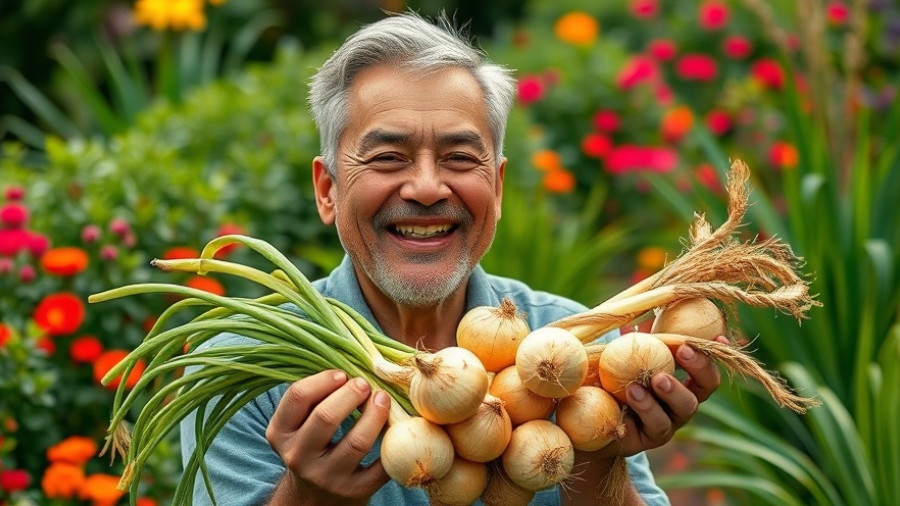
Man harvesting onions, promoting healthy living in gardening.

Embrace the Bounty: Transitioning from Summer to Fall in Gardening

As summer fades into fall, many gardeners find themselves at a crossroads. Should we hold onto the remnants of our summer harvest or embrace the fresh opportunities that autumn brings? Jeff from The Ripe Tomato Farms reminds us that this transitional period can be daunting but incredibly rewarding. Whether you’re indoors, tending to indoor plants, or preparing outdoor beds for the next round of crops, each choice we make can impact our success in the garden.

The video Garden Quickies Volume 27 explores fall gardening strategies, and we're breaking down its key insights while providing additional tips and perspectives.

Understanding Harvest Timing: Why Wait for Onions?

One of the key insights from the latest episodes of Garden Quickies Volume 27 is the importance of patience when it comes to harvesting onions. Jeff points out that while onions may look ripe, they are not always ready for harvest just yet. The key indicators are the state of the foliage and the condition of the neck of the onion. Waiting until the tops have at least half turned brown allows for proper curing, maximizing storage life and flavor. Realizing that the wait can mean the difference between weeks and months of enjoyment translates to greater respect for the gardening process.

Tending to the Soil: A Crucial Step Post-Harvest

After a harvest, soil health cannot be overlooked. A clean and well-prepared bed ensures that your garden remains productive for years to come. Jeff emphasizes five simple steps to rejuvenate your soil, from removing debris to aerating and rehydrating. This process not only maximizes nutrient retention but also keeps the garden ecosystem robust for planting. Whether your garden has weathered summer's bounty or is a new project, health is paramount—it’s practically the lifeblood of your garden.

Fall Planting: The Perfect Time for Certain Crops

As the days grow shorter, the allure of fall planting grows stronger. This period is unique, marked by the tasks of sowing seeds for cool-weather crops such as broccoli and cauliflower. Jeff outlines the importance of selecting the right crops for this season. Fast-growing plants or those that thrive in cooler temperatures should be prioritized. Timing your planting 6 to 8 weeks before the first frost is crucial. Embracing this window of opportunity can yield fruitful results, extending your harvest season and contributing to overall healthy living.

Preservation Techniques for Tomatoes: Control the Ripening Process

With fresh tomatoes still on hand, Jeff shares tips for ripening them off the vine. By employing techniques such as using ethylene-producing fruits, you can salvage green tomatoes, ensuring that your harvest doesn’t go to waste. The ability to control this process also connects us back to the heart of gardening, which is about making the most of what we cultivate.

Winterizing Your Strawberry Patch: Timing is Everything

As winter approaches, it's time to consider how to protect perennial crops. Jeff provides guidance on when and how to winterize strawberry plants, stressing patience to avoid premature winterizing which can jeopardize their dormancy. With strawberries, waiting for hard frosts is paramount because it aligns with their natural life cycle, enhancing resilience for the coming spring. This understanding ties directly into the broader context of gardening—timing and knowledge lead to successful outcomes.

Conclusion: Ready for a New Gardening Season

As we reflect on the garden activities shared in Garden Quickies Volume 27, it's clear that gardening is more than just a hobby; it’s a gateway to healthy living and sustainable practices. By understanding the nuances of planting, harvesting, and preserving, we cultivate not only plants but also vibrant lives. So, gather those gardening tools and prepare for a fruitful fall planting. To dive deeper into these topics, don’t miss the latest episodes of the Garden Quickie—your green thumb will thank you!

Sustainabe Living

1 Views

0 Comments

Write A Comment

*
*
Related Posts All Posts
12.18.2025

Discover the Importance of Fig Cutting Dies for Growing Fresh Vegetables

Update Understanding Fig Cutting Dies: A Gardener's Essential ToolFor those passionate about gardening, particularly fig enthusiasts, understanding the tools you use is vital to ensure the success of your plants. One such tool is the fig cutting die. But what exactly makes this tool essential for cultivating fig trees? In this article, we’ll explore how a fig cutting die can increase your chances of propagating healthy plants while also sharing some practical planting tips.In 'What Makes a Fig Cutting Die?', the discussion dives into the importance of tools for gardening, leading us to explore its key benefits and applications for aspiring gardeners. Why Invest in a Fig Cutting Die?Fig cutting dies allow gardeners to efficiently take cuttings from healthy fig trees. This method of propagation is not only cost-effective but can lead to a diversified garden filled with various fig varieties. Unlike narrow pruning shears, cutting dies give you the precision needed to make clean cuts, ensuring the best chances for the cutting to root and thrive.How Cutting Techniques Impact GrowthThe way you take cuttings can significantly influence their growth. A clean and precise cut ensures that the plant has less chance of disease and can devote more energy to growing roots. Remember that a successful cutting will require appropriate moisture levels and care post-extraction. Use well-draining soil mixed with organic fertilizer to provide the necessary nutrients for your developing plant.Tips for Propagating Fig TreesWhen planning to propagate fig trees, timing and technique are critical. Late winter or early spring is typically the best time to take cuttings, as this is when the tree is dormant and can better sustain the shock of cutting. Here are some planting tips to enhance your odds:Choose Healthy Wood: Select one-year-old wood that is firm and healthy for the best cuttings.Humidity Matters: Using a humidifier or misting the cuttings regularly can help maintain moisture levels.Temperature Control: Keep cuttings warm but not in direct sunlight to encourage rooting.Embracing the Outdoor ExperienceGardening is not just about growing plants; it’s also an excellent way to connect with nature. For gardening enthusiasts, there's a therapeutic element to being outdoors, surrounded by greenery and the fresh smell of soil. Engaging in activities like propagating fig trees with a fig cutting die allows for a hands-on approach to sustainable living. As you nurture your cuttings, you are also nurturing a deeper connection with the environment.Becoming a Self-Sufficient GardenerBeing able to propagate your own plants can be an empowering experience. In a time when food security is of concern, giving yourself the ability to grow your vegetables and fruits not only enhances your culinary options but also promotes a healthier lifestyle. Fresh vegetables and fruits from your garden provide unrivaled flavor and nutritional value that store-bought produce often lacks.Next Steps in Your Gardening JourneyIf you’re eager to try your hand at propagating new fig varieties, consider investing in a fig cutting die. The right tools can make all the difference. To learn more about gardening essentials or to shop for high-quality supplies, start exploring the extensive variety of resources available online.

12.17.2025

The Essential Role of Kitchen Hygiene in Family Health and Safety

Update Understanding the Importance of Kitchen Hygiene In Why Sanitize Kitchen Counters After Handling Raw Food?, we discover the crucial role that sanitation plays in our kitchens, particularly when it comes to safety and health. Every day, families and individuals prepare meals, handling various raw foods that can harbor bacteria and pathogens, leading to foodborne illnesses. The simple act of sanitizing our kitchen counters after food preparation is an essential habit that can help safeguard our loved ones from such risks.In Why Sanitize Kitchen Counters After Handling Raw Food?, the discussion dives into the importance of sanitation in our kitchens, exploring key insights that sparked deeper analysis on our end. Why Should We Sanitize? Raw meats, seafood, and even certain fruits and vegetables can be contaminated with harmful bacteria like Salmonella or E. coli. When these foods come in contact with surfaces, they leave behind traces that can spread during subsequent meal preparations. The Centers for Disease Control and Prevention (CDC) estimates that one in six Americans will get sick from foodborne diseases each year. By incorporating a regular sanitization routine, families can dramatically reduce their risk of illness. Practical Tips for Safe Sanitization Sanitizing your kitchen surfaces doesn't have to be complicated. Common household cleaners or a simple solution of diluted bleach can effectively eliminate bacteria. Wiping down counters after each raw food handling session and ensuring to clean utensils can further enhance kitchen hygiene. This simple step not only keeps your food safe but also contributes to sustainable living by reducing food waste that may arise from spoiled supplies due to contamination. Connecting Kitchen Hygiene to Family Health For parents, maintaining a clean kitchen is paramount for the health of their children. Young ones are especially vulnerable to foodborne illnesses, making it even more critical to establish good sanitation practices. Encouraging family members to participate in this routine fosters an environment of shared responsibility toward healthy living. Conclusion: A Small Step with Big Impact Incorporating regular sanitization practices in your kitchen is a small yet impactful step towards protecting your family from illnesses, contributing to a healthy lifestyle, and supporting sustainable living principles. By prioritizing hygiene, families not only safeguard their health but also set a positive example for future generations.

12.17.2025

Grow Fresh Vegetables This Winter: Essential Greenhouse Tips

Update Understanding the Importance of Winter Greenhouse Gardening As winter approaches, many gardening enthusiasts might feel disheartened by the thought of their beloved plants succumbing to frost and harsh conditions. However, the reality is that winter gardening can be incredibly rewarding, especially if you have a greenhouse. You might be surprised to learn that having a greenhouse can provide a controlled environment that enables you to grow fresh vegetables all year round. The secret number every gardener should know? It's 32 degrees Fahrenheit—the threshold where plants feel the chill of frost. Knowing this can transform your gardening approach during the winter months.In 'You Need to Know This Number!', the discussion dives into winter gardening, exploring key insights that sparked deeper analysis on our end. Benefits of Growing Fresh Vegetables During Winter Growing fresh vegetables in winter isn't just about pleasure; it has profound benefits for your overall health. As winter persists, fresh produce often becomes limited and less nutritious. By utilizing a greenhouse, you empower yourself to have continuous access to a variety of fresh vegetables right in your backyard! Imagine the joy of harvesting homegrown greens, tomatoes, and radishes in the middle of January. This not only enhances your meals but also ensures you are consuming the freshest, most nutrient-dense food possible. Simple Planting Tips for Winter Greenhouses Wondering how to make the most of your greenhouse this winter? Here are a few planting tips to ensure you get the best results: Choose Cold-Resistant Varieties: Opt for vegetables like kale, spinach, and carrots that thrive in cooler temperatures. These greens not only withstand the chill but often taste sweeter when grown in the cold. Utilize Companion Planting: Mixing plants like garlic or onion with your leafy greens can deter pests naturally and improve growth. Maximize Light Exposure: Position your greenhouse to capture the maximum sunlight possible. This not only helps in keeping temperatures up but also enhances plant growth. The Emotional Reward of Gardening For many gardening enthusiasts, the act of nurturing plants can also have emotional benefits. Winter gardening in a greenhouse can serve as a form of therapy, providing a sense of purpose and joy during the challenging winter months. The simple act of watering plants or watching them grow can be incredibly fulfilling, helping to combat winter blues. Plus, harvesting your own vegetables can bring immense happiness and satisfaction. Preparing Your Greenhouse for Winter To maximize your success in winter greenhouse gardening, a bit of preparation goes a long way. Make sure your greenhouse is insulated properly, use thermal blankets for additional warmth during particularly frosty nights, and ensure good ventilation to avoid excess humidity. These minor adjustments can greatly influence your plants’ survival rates during the cold months. If you're eager to elevate your winter gardening game, consider joining a local gardening group or exploring online forums where you can share experiences and learn from others. Don’t miss out on making this winter your most bountiful yet!

Terms of Service

Privacy Policy

Core Modal Title

Sorry, no results found

You Might Find These Articles Interesting

T
Please Check Your Email
We Will Be Following Up Shortly
*
*
*