


Understanding the Concept of Moving the Body
In today's health-conscious society, the phrase "moving the body" resonates beyond traditional exercise. When we speak about moving the body, we encompass a blend of physical activity, mindfulness, and emotional health, highlighting the intricate connections between body movement and overall well-being. This holistic approach is particularly relevant for sports enthusiasts and families striving for a balanced lifestyle.
In 'What Does “Moving the Body” Mean in Whole Health?', the discussion dives into the multifaceted benefits of movement, exploring key insights that sparked deeper analysis on our end.
The Holistic Approach to Health and Movement
When considering whole health, it’s essential to shift from the mindset that views exercise solely as a chore. Instead, think of movement as a dynamic aspect of daily life. This encompasses everything from a walk around the neighborhood, dancing in the living room, or engaging in sports. Such activities not only strengthen muscles but can also uplift moods and foster connections within families, thus enriching our day-to-day experiences.
Movement as a Family Activity
For families eager to cultivate a healthy lifestyle, incorporating movement into family interactions can yield tremendous benefits. From hiking on weekends to participating in community sports, making movement a family affair not only entertains but educates children about the value of an active lifestyle. This creates lasting habits that children are likely to carry into adulthood.
Benefits Beyond Physical Fitness
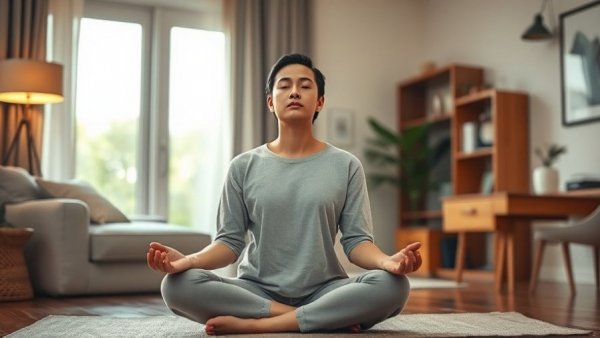
While physical benefits are significant, the mental and emotional aspects of moving the body should not be overlooked. Engaging in regular movement can reduce stress, boost self-esteem, and promote better sleep. Moreover, incorporating practices like yoga or tai chi can enhance mental clarity and foster mindfulness, creating a tranquil mind amid hectic routines.
Cultivating a Mindful Movement Routine
As you embark on your journey to embrace movement, consider what options resonate with you. Activities that you genuinely enjoy are far more likely to become staples in your routine. Whether it’s joining a local sports team or indulging in family bike rides, committing to regular movement can enhance not just physical health but also emotional well-being. Think of every movement as an investment in a healthier future.
Conclusion
Incorporating movement into daily life fosters more than just physical fitness; it enhances relationships, uplifts spirits, and nurtures overall health. As you connect with others through physical activities, remember to celebrate and cherish each moment, understanding that this approach to health can lead to sustainable changes.
As you explore this unique perspective on moving the body in whole health, consider joining a community group or beginning a family activity that promotes movement. Let this be the start of a vibrant journey toward well-being.




Write A Comment