

Understanding the First Frost and Its Impact on Your Garden
For many gardening enthusiasts, the arrival of the first frost can be a bittersweet moment. It signifies both the end of the growing season and a crucial time to protect what you’ve nurtured all year long. In the video, The First Frost Is Here… Can We Save These?, critical insights were shared about managing this natural occurrence gracefully to ensure your plants not only survive but continue to thrive. Here, we explore practical tips and strategies that can help you safeguard your beloved vegetables and flowers.
In The First Frost Is Here… Can We Save These?, the discussion dives into essential strategies for protecting your garden as temperatures dip, prompting us to reflect on our own planting and care methods.
Timing is Everything: Preparing for Frost
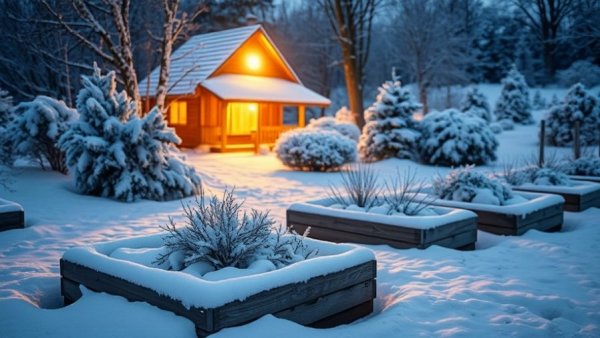
Understanding when the first frost is likely to strike in your area can make all the difference. Typically, areas experience their first frost date between late September and early November. Keeping an eye on the forecast as the seasons change allows gardeners to implement proactive measures for their plants. If you’re aware of an impending frost, consider covering your plants with old blankets or frost cloths. This simple step can trap warmth and create a protective barrier from icy conditions.
Essential Planting Tips to Ensure Fresh Vegetables
Selecting frost-resistant vegetables can significantly enhance your chances of a successful harvest. Some produce, like kale, carrots, and spinach, can actually taste sweeter after a frost, making them valuable additions to your cooler-weather garden. Moreover, layering mulch around your plants not only preserves moisture but also serves as insulation against temperature drops. Well-timed planting, where you schedule sowing or transplanting before the first frost date, further contributes to healthier plants in your garden.
Protecting Your Investments: Aftercare Strategies
Once a frost has set in, assessing your damage is crucial. Check for any signs of brown or wilted leaves. In many cases, removing damaged foliage can redirect energy towards healthier parts of the plant. For gardeners who wish to extend their growing season, consider using row covers or cold frames. These tools create microenvironments, allowing tender plants to continue to productively grow, even during chillier temperatures.
Future Gardening Practices to Consider
Frost doesn’t have to derail your gardening goals. By embracing year-round gardening techniques, such as companion planting and adequate soil management, you can enhance your resilience against unpredictable weather patterns. Establishing a fall planting routine may allow you to yield delicious crops well into late autumn. As climate change continues to influence local environments, adapting your gardening practices ensures you maintain a vibrant and productive garden.
Embracing the Power of Community Knowledge
Lastly, connecting with fellow gardening enthusiasts can greatly enrich your understanding of seasonal challenges. Local gardening clubs often have valuable insights and shared experiences on how to effectively handle frost. This camaraderie fosters a supportive environment, where tips for preserving crops can be exchanged, and new friendships formed through a shared passion for plants.
As gardening enthusiasts, we must embrace the rhythm of nature, adjusting our methods as needed to retain thriving gardens. If you’re inspired to dive deeper into gardening practices that can help you have fresh vegetables year-round, consider reaching out to local gardening experts or joining online communities dedicated to sustainable living. The journey of gardening is not simply about growing plants; it's about cultivating a community and nurturing your relationship with the environment.


Write A Comment