
cropper
Nourish With Plants News Media
  • Home
  • Categories
    • Plant-Powered Living
    • Sustainabe Living
    • Recipes and Meal Plans
    • Functional Medicine
    • Food as Medicine
November 22.2026
2 Minutes Read

Discover the Marvels of Growing Carrots in Winter for Fresh Vegetables

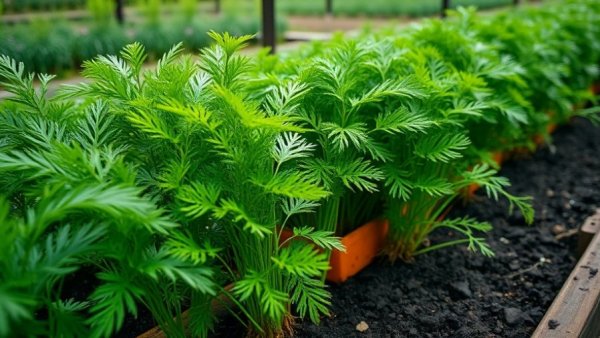
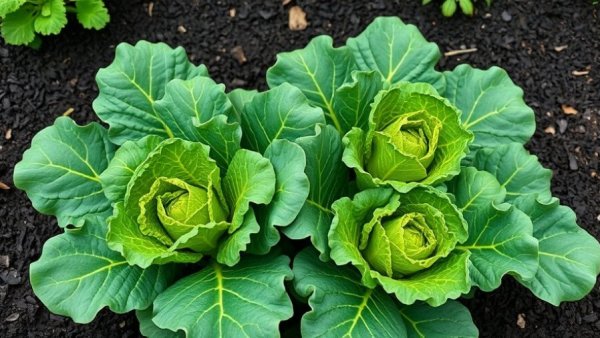
Carrot plants thriving in winter garden bed with irrigation.

SEO Keyword: Grow Carrots in Winter

Have you ever considered growing carrots during the winter months? Many gardening enthusiasts quickly dismiss the idea, but winter gardening can offer surprising rewards. Carrots are one of the best crops to grow in cold weather due to their resilience against frost and their deliciously sweet flavor, which only improves after a freeze. As we explore the benefits of growing carrots in winter, prepare to be convinced that this could be your next favorite gardening adventure.

In 'The Best Part About Growing Carrots in the Winter', the discussion dives into the joys of winter gardening, exploring key insights that sparked deeper analysis on our end.

Winter Gardening: A Hidden Gem

Winter gardening offers unique advantages that many may overlook. When temperatures dip, pests are often reduced, which means less worry about critters nibbling on your plants. Plus, winter-grown vegetables, like carrots, tend to be sweeter and more tender because they convert their starches into sugars in response to cold temperatures. So, if you’re looking for a fresh vegetable option during winter, carrots might just be your best bet!

Planting Tips for Success

Starting carrots in the winter requires some planning. Here are a few planting tips to help you get started:

  • Choose the right variety: Opt for cold-tolerant varieties such as ‘Winter Sweet’ or ‘Napoli.’ These are specifically bred to thrive in adverse conditions.
  • Prepare your soil: Ensure your garden bed is well-drained to prevent waterlogging, which can damage roots.
  • Mulch effectively: Adding a layer of straw or leaves can protect your seedlings from extreme temperatures and keep the soil moist.

By following these simple tips, you can set yourself up for a successful winter harvest!

The Joy of Harvesting Fresh Vegetables

Imagine stepping outside to your garden, even on the coldest day, and pulling out crisp, colorful carrots. There’s something profound about nurturing a crop that seamlessly connects you with nature. Plus, having fresh vegetables at your fingertips allows you to create nutritious meals right from your backyard.

Final Thoughts on Winter Gardening

If you’re passionate about sustainable living or simply looking to try something new, winter gardening could be the perfect project. Not only can you enjoy the fruits of your labor, but you also support local ecosystems by growing your own food. The act of planting and nurturing a garden can have a positive impact on your mental health, providing a sense of accomplishment and joy.

As you prepare for your next gardening adventure, think about incorporating carrots into your winter planting strategy. They are a testament to the resilience of nature and the benefits of dedicated care. Get outside, dig into the dirt, and reap the rewards of winter gardening!
Sustainabe Living

0 Views

0 Comments

Write A Comment

*
*
Please complete the captcha to submit your comment.
Related Posts All Posts
11.22.2026

Discover What Your Garlic is Up To and Why It Matters for Healthy Living

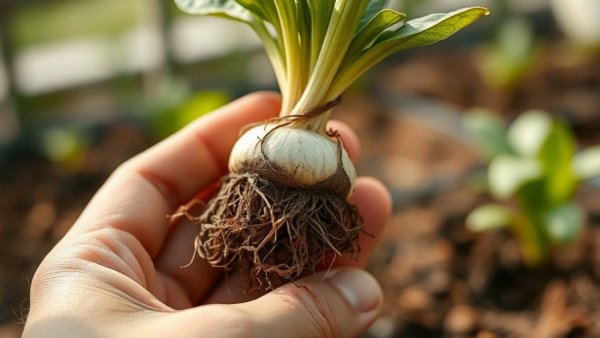
Update The Joy of Gardening: What's Happening with Your Garlic? In the engaging video titled What do you think your Garlic is up to right now?, viewers are invited to ponder the secrets of their garden. As the popularity of home gardening continues to blossom among families, farmers, and gardening enthusiasts alike, questions about the activities of our plants—like garlic—spark not only curiosity but a deeper appreciation for nature’s wonders. But what exactly makes gardening, particularly garlic cultivation, meaningful in today's frantic world?In What do you think your Garlic is up to right now?, the video invites us to think about the activities of our garden, sparking intriguing insights that are worth exploring further. Unlocking the Benefits of Garlic Cultivation Garlic is more than just a flavorful addition to meals; it serves as a symbol of healthy living. This robust plant boasts a myriad of health benefits, including its ability to boost the immune system, lower blood pressure, and provide anti-inflammatory effects. By nurturing garlic in one’s garden, individuals can cultivate a resource that not only enhances their culinary experiences but also contributes to a healthier lifestyle. Gardening Tips on Growing Healthy Garlic When considering garlic cultivation, there are several gardening tips that can help ensure a bountiful crop. First, choosing the right variety is crucial—softneck varieties thrive in places with milder winters, while hardneck types are better suited for colder climates. Furthermore, garlic enjoys well-drained, fertile soil, with a pH level between 6.0 and 7.0. A sunny location is ideal; garlic loves the sun almost as much as dedicated gardeners love their garlic cloves! Connection to Nature and Building Family Bonds Gardening also serves to foster connections—between families and the earth, and among community members. Engaging in home gardening like growing garlic can create a therapeutic retreat away from screens and distractions. Parents can build lasting memories with children by planting garlic together, teaching them not just about plants but also about patience and responsibility. Future Trends: The Rise of Sustainable Gardening As society shifts towards more sustainable practices, it’s worth noting that gardening trends are evolving. More individuals are embracing eco-friendly gardening techniques that prioritize organic methods and biodiversity. Garlic plants, with their pest-repelling qualities, can play an integral role in a holistic gardening approach that seeks to balance productivity with environmental stewardship. A Call to Action for Aspiring Gardeners If you haven't yet embraced the joys of garlic gardening, now is the perfect time! The process encourages healthy living, provides invaluable gardening tips, and strengthens family bonds. Start by researching your local growing conditions, and then prepare to head outdoors. Picture a garden flourishing with garlic—making your meals flavorful while ensuring that you and your family benefit from its numerous health properties.

11.21.2026

Harvest Fresh Vegetables Repeatedly: Your Guide to Sustainable Gardening

Update Endless Harvest: Choosing the Right Vegetables Imagine stepping into your garden, plucking fresh vegetables straight off the vine time and again. This dream can become a reality by choosing the right types of vegetables—specifically, perennial and self-regenerating options. In this article, we’ll explore how certain vegetables can be harvested over and over again, making them ideal for a sustainable garden.In These Veggies Can Be Harvested Over and Over Again!, the discussion dives into sustainable gardening practices and the joys of continuous vegetable cultivation, sparking deeper reflection on how we can incorporate these habits into our daily lives. Why Recurrent Crops Matter for Sustainable Living When you think of gardening, you often picture planting seeds, waiting for the thrill of sprouting greens, and then—ultimately—the harvest. However, recurrent crops can change the way we think about gardening, reduce our reliance on store-bought vegetables, and promote a self-sufficient lifestyle. These crops provide the joy of continuous harvest, allowing you to enjoy fresh vegetables throughout the season with minimal effort. Top Vegetables to Plant for Repeat Harvests Now, let’s dig into the garden! There are several vegetables known for their ability to be harvested multiple times: Kale: This leafy green is not just a powerhouse of nutrition but also grows continuously. You can harvest its outer leaves while allowing the central portion to keep developing. Swiss Chard: Another leafy green, Swiss chard can be snipped repeatedly, encouraging new growth with each cut. Green Onions: A staple in many dishes, you can replant the roots of green onions, and they’ll regrow, offering a perpetual supply for your kitchen. Radishes: Particularly the type that is cut-and-come-again, these can be harvested young, providing a continuous yield if tended to properly. Herbs like Basil and Oregano: While generally categorized as herbs, they are essential to a green lifestyle as they thrive with regular pruning. Practical Tips for Cultivating Your Recurrent Garden Ready to start your garden? Here are some planting tips to ensure your recurrent veggies thrive: Soil Preparation: Use nutrient-rich soil with good drainage. A compost mix can do wonders! Proper Spacing: Give your plants enough room to breathe. Stressed plants will yield less. Consistent Watering: Maintain a regular watering schedule, but be careful not to overdo it. Most vegetables prefer their soil to dry slightly between waterings. Benefits Beyond Your Plate Harvesting your own vegetables provides more than just fresh ingredients; it can also improve mental well-being. Gardening has been associated with reducing stress and promoting mindfulness. Engaging in this productive activity not only feeds your body but also nurtures your mind and spirit. In These Veggies Can Be Harvested Over and Over Again!, the discussion dives into sustainable gardening practices and the joys of continuous vegetable cultivation, sparking deeper reflection on how we can incorporate these habits into our daily lives. Whether you're a seasoned gardener or just getting your hands dirty, exploring the world of recurrent vegetables can pave the way for a healthier lifestyle. Jumpstart your gardening journey today to enjoy the fresh vegetables you always wanted!

11.20.2026

Avoid These Mistakes When Starting Lettuce Seeds for Your Garden

Update Why Starting Lettuce Seeds Right Matters For many gardening enthusiasts, starting lettuce seeds can be an exciting endeavor, especially as the chill of winter gives way to the hopeful warmth of spring. However, there are common mistakes that can undermine this journey before it even begins. The video titled Don't Do This When Starting Lettuce Seeds! highlights key issues that new gardeners often overlook. One primary mistake is the tendency to overwater seeds, which can lead to damping off, a fungal disease that can kill your seedlings before they even sprout. Not only is it frustrating, but it can also lead to wasted time and resources.In Don't Do This When Starting Lettuce Seeds!, the discussion dives into common gardening pitfalls, exploring key insights that sparked deeper analysis on our end. Simple Planting Tips for Success When it comes to planting, less is often more. To ensure your lettuce thrives, start with high-quality seeds and a well-draining seed-starting mix. Keep your planting area clean and free of debris, as pests and mold thrive in clutter. Remember, effective planting isn't only about the watering schedule; it's about creating an environment where your plants can flourish. It's crucial to maintain appropriate moisture levels and avoid allowing the soil to become soggy. Instead of frequent, heavy watering, opt for a gentle spray and regular checks to maintain optimum conditions for growth. Understanding the Importance of Temperature Temperature also plays a vital role in seed germination. Lettuce seeds generally prefer cooler soil—ideally between 60-70°F. Keeping your planting space within this range can drastically improve your chances of success. If temperatures exceed this range, your seeds might not germinate at all. Consider using a heat mat or moving trays indoors if outdoor temperatures are not suitable. Observation and adjustment are key; your plants will benefit from your attentive care. The Benefits of Home-Grown Lettuce Imagine grabbing fresh lettuce straight from your garden, knowing it was grown with love and care. There’s a unique satisfaction in cultivating your own vegetables, and lettuce is one of the fastest-growing crops you can cultivate. Home-grown produce is not just fresher, but also healthier, loaded with nutrients and free from pesticides. This simple act of growing your own food can bring both joy and numerous benefits to your health. Incorporating Gardening into Your Daily Life Gardening is more than a hobby; it is a lifestyle choice that encourages mindfulness, respect for nature, and the understanding of where our food comes from. For gardening enthusiasts, growing your own lettuce can serve as a stepping stone towards a larger goal of sustainable living. It teaches patience and responsibility, aligning with mental well-being and the joy of personal achievement. Remember, each seed is a promise of growth, a new beginning, and a mini-journey towards sustainability. Taking Action: Start Your Lettuce Journey Today! As you gear up for your planting adventure, take these insights to heart. Avoid common pitfalls and invest your time into learning a few simple tips that can transform your seed-starting experience. Whether you're a seasoned gardener or just getting started, understanding the nuances of planting can make all the difference. So grab your seeds, prep your soil, and let’s bring those fresh vegetables to the table together!

Nourish With Plants

NourishWithPlants.com is your go-to source for everything plant-based! Whether you're looking for science-backed nutrition advice, sustainable living tips, or more!

COMPANY

  • Privacy Policy
  • Terms of Use
  • Advertise
  • Contact Us
  • Menu 5
  • Menu 6

8056744797

AVAILABLE FROM 8AM - 5PM

City, State

8947 Clearcreek Franklin Rd, Springboro, OH

Qoolab Digital Strategies

Proven digital marketing experts

deliver remarkable growth

through tailored online marketing

strategies, attracting new customers

for your business.


© 2026 CompanyName All Rights Reserved. Address . Contact Us . Terms of Service . Privacy Policy

Terms of Service

Privacy Policy

Core Modal Title

Sorry, no results found

You Might Find These Articles Interesting

T
Please Check Your Email
We Will Be Following Up Shortly
*
*
*