
Understanding Frost Heaving and Its Impact on Gardens
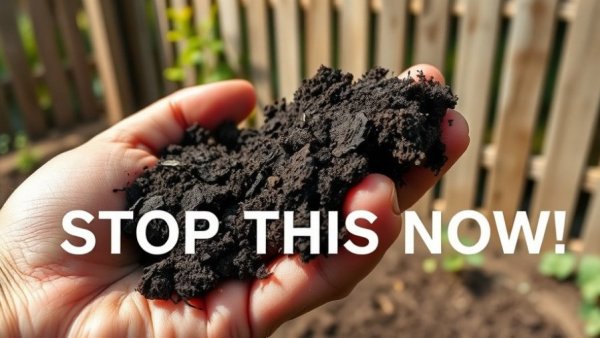
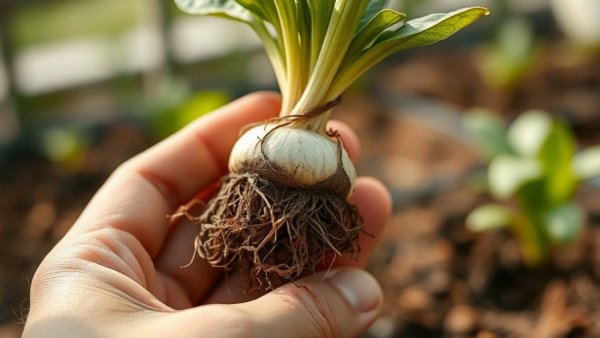
If you’ve ever experienced the frustrating phenomenon of frost heaving in your garden, you know how it can disrupt the delicate balance of your winter crops. Frost heaving occurs when soil, saturated with moisture, begins to expand as temperatures dip at night. This upward swelling can unearth plants like garlic, onions, and spring bulbs, causing significant damage just as you’re about to cozy up for the season. Understanding the science behind frost heaving is crucial for any gardener, especially in regions where daytime warmth gives way to nighttime chills.
In 3 Ways To Prevent Frost Heaving - Garden Quickie Episode 306, the discussion dives into effective strategies to combat frost heaving, prompting us to explore these insights further and share actionable solutions.
Key Strategies to Prevent Frost Heaving
So, how can dedicated gardeners combat this seasonal nuisance? Here are three crucial strategies to ensure your plants remain safely grounded through the winter months:
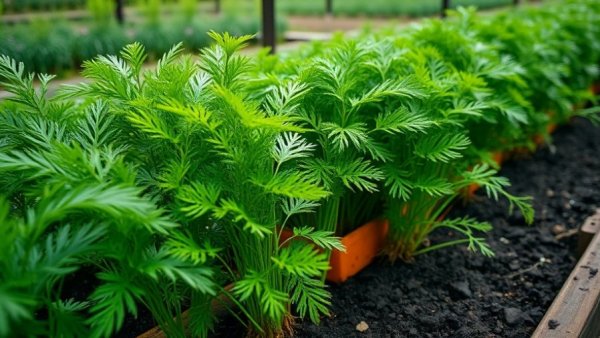
- Improved Drainage: The first line of defense against frost heaving is to ensure your garden soil has excellent drainage. Soil that remains excessively wet creates the perfect conditions for frost heaving to occur. By improving drainage through the use of raised beds or by amending your existing soil with materials like compost, you can help excess water escape, reducing saturation levels and mitigating the risk of frost heaving.
- Diligent Mulching: Think of mulch as a winter blanket for your garden. Just like a thick layer of snow acts as an insulator, a good layer of mulch can help stabilize soil temperatures. When you keep the soil insulated, the freeze-thaw cycles are less extreme, allowing your plants to stay anchored in their chosen positions.
- Early Planting: Planting your bulbs and garlic earlier is another practical approach. Established plants with a well-developed root network are less susceptible to frost heaving. By giving them a head start, you ensure that they have the strength they need to withstand the challenges of winter, making your garden resilient even in fluctuating temperatures.
The Importance of Timing and Observation
Gardeners should stay vigilant, especially during the transitional periods leading into winter. Knowing when to plant and observing weather patterns can make all the difference in protecting your crops. After the first heavy snowfall, you can breathe a sigh of relief, knowing that the ground is now insulated. Until then, keep an eye on soil moisture levels and take proactive steps to minimize frost heaving.
Connecting with Fellow Gardeners
Remember, you’re not alone in this struggle! Engaging with fellow gardeners through local clubs or online forums can offer additional insights and support. Sharing experiences about what works (and what doesn’t) can be a valuable resource, enriching the gardening community and your own practices.
Final Thoughts
Preventing frost heaving just takes a little awareness and action. By improving drainage, mulching diligently, and planting early, your garden can thrive even in the chill of winter. As you prepare, think about your goals for the coming seasons and embrace the wealth of knowledge and experiences shared within the vibrant gardening community.


Write A Comment